About
The Gran Via de les Corts Catalanes is a beast. It’s a ten-lane river of steel and exhaust that cuts through Barcelona like a surgical scar, indifferent to the lives lived on its banks. But if you step off the asphalt at number 195, right where the old Magòria station stands like a brick ghost, you find a pause. This is the Plaça de Josep Pons i Moga, and it’s about as far from the polished marble of the Gothic Quarter as you can get without leaving the city limits.\n\nThis isn’t a place designed for selfies or tour groups. It’s a garden for the people who actually live here—the ones who walk their dogs at 7 AM and wait for the bus with a bag of groceries. Inaugurated in 2023, this square is a hard-won victory for the neighborhood of La Bordeta. It’s named after a man who embodied the soul of Sants: Josep Pons i Moga. He wasn’t a billionaire or a saint; he was a shopkeeper, an anarchist, and a neighborhood conspirator who spent his life fighting for the people. His grocery store on the corner of Carrer d'Olzinelles was a place where you didn’t just buy chickpeas; you planned a revolution or, at the very least, a protest for a better bus line.\n\nWalking into the square, you feel the shift. The air is slightly cooler, buffered by the new residential blocks and the greenery that’s still finding its roots. To your left, the historic Magòria station reminds you of a time when the city moved at the speed of steam. To your right, the massive industrial skeleton of Can Batlló looms—a former textile factory that the neighbors, including Pons i Moga himself, fought for decades to turn into a community space. This square is the connective tissue between that industrial past and a more livable future.\n\nThere is a specific kind of beauty here, the kind Bourdain would have appreciated. It’s the beauty of function and memory. You’ll see old men sitting on the benches, their faces etched with the history of the Sants-Montjuïc district, watching the world go by. You’ll hear the distant hum of the Gran Via, but here, it’s just background noise to the sound of kids playing or the clink of a beer bottle at a nearby terrace. It’s a place of 'democratic memory,' a term the city uses to describe spots that honor the struggle against the Franco dictatorship and the fight for basic urban dignity.\n\nDon’t come here looking for a 'hidden gem' or a 'must-see' landmark. Come here if you want to see how a city breathes when it isn’t performing for tourists. Sit on a bench, look at the plaque dedicated to the man who helped found the local free radio station and the Sants Social Centre, and realize that Barcelona isn’t just made of stone and mortar. It’s made of people like Josep Pons i Moga—stubborn, loud, and deeply committed to the idea that a neighborhood belongs to the people who walk its streets. It’s an honest place, a little rough around the edges, and all the better for it. If you’re looking for the real Barcelona, the one that doesn’t show up in the airline magazines, you’ve found it.
Type
Garden
Features
Garden
Categories
GardenLocal HistoryUrban Space
Accessibility
- Fully wheelchair accessible
- Flat paved surfaces
- Accessible by public transport
Location
Gran Via de les Corts Catalanes, 195
Sants-Montjuïc, Barcelona
Nearby
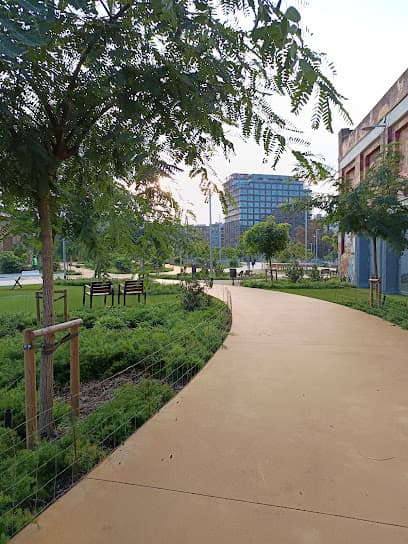
ATTRACTION
Parc de Can Batlló
250 m · Sants-Montjuïc
A massive middle finger to urban decay, this reclaimed textile factory is now a sprawling park where industrial ghosts meet neighborhood resistance and lush green life.
4.8(19)
Park
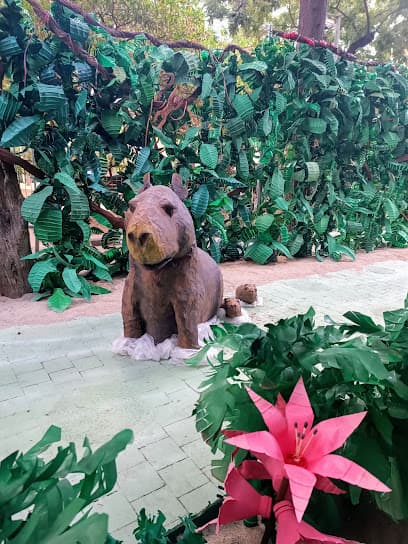
ATTRACTION
Festa Major de Sants - Plaça de la Farga
400 m · Sants-Montjuïc
While tourists choke Gràcia, the real heart of Barcelona beats in Sants. Plaça de la Farga is where neighborhood pride turns recycled junk into award-winning, DIY fever dreams.
4.0(1)
Tourist attraction
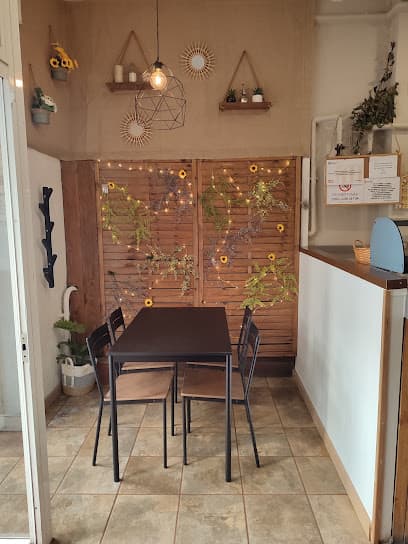
RESTAURANT
El Cullerot de Sants
€€250 m · Sants-Montjuïc
A no-bullshit sanctuary in Sants where the menu del día is a sacred ritual and the home-cooked Catalan soul survives the onslaught of avocado toast and tourist-trap mediocrity.
4.7(588)
RestaurantMediterranean restaurant
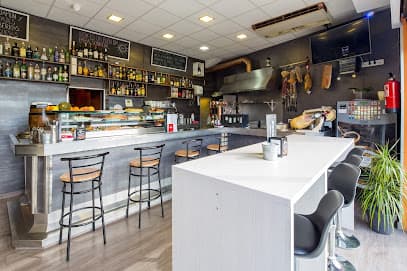
RESTAURANT
Bar Restaurant O'Rincón
€€250 m · Sants-Montjuïc
A gritty, no-nonsense Galician outpost on the Gran Via where the arroz caldoso is soul-warming and the service is as fast as the traffic outside. Real food for real people.
4.2(647)
Bar & grillGalician restaurant
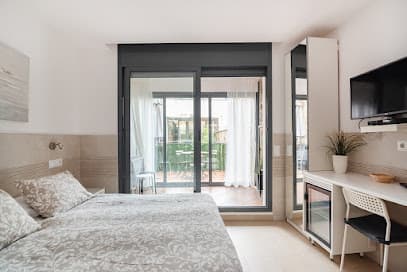
HOTEL
Hostal House
€250 m · Sants-Montjuïc
Forget the velvet ropes and overpriced minibars; this is Sants—a raw, real neighborhood where a clean bed and a shared kitchen are all you need to conquer the city.
4.5(273)
Hotel

HOTEL
BCN Montjuïc
€€400 m · Sants-Montjuïc
A functional, no-nonsense base camp in Sants-Montjuïc where you get a kitchen, a rooftop pool, and a reprieve from the suffocating crowds of the Gothic Quarter.
4.0(374)
HotelApartment building
Frequently Asked Questions
Is Plaça de Josep Pons i Moga worth visiting?
It is worth a visit if you are interested in local history, neighborhood activism, or want to see the unfiltered character of Sants-Montjuïc away from the tourist crowds.
Who was Josep Pons i Moga?
He was a local shopkeeper, anarchist, and neighborhood activist in La Bordeta who fought for social improvements and helped found the Centre Social de Sants.
How do I get to Plaça de Josep Pons i Moga?
The easiest way is by taking the FGC train to the Magòria-La Campana station, which is just a 2-minute walk from the square.
What is near Plaça de Josep Pons i Moga?
The square is located right next to the historic Magòria railway station and the massive Can Batlló community and cultural complex.
Reviews
0 reviews for Plaça de Josep Pons i Moga
No reviews yet. Be the first to share your experience!