3.8
4 verified reviews
About
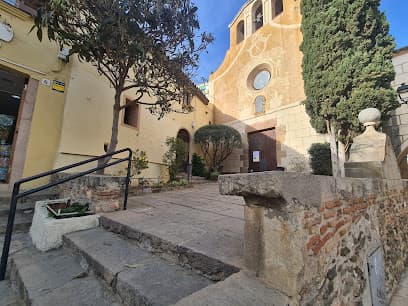
If you want to see where the city actually breathes, you get on the L5 metro and head north until the accents get thicker and the tourists disappear entirely. Plaça de Can Basté isn't a 'park' in the way the glossy guidebooks describe them. It’s a scar of history that refused to heal over with concrete, a stubborn piece of 18th-century stone standing in the middle of a working-class neighborhood that has seen it all. This is Nou Barris, a district that doesn't care if you like it or not, and that’s exactly why it’s worth your time.
Standing in the center of the square is the masia itself—an old farmhouse from the 1700s that looks like it was dropped here by a confused time traveler. Back in the day, this was all fields, dust, and rosemary. Then came the 1960s and 70s, the grey years of the Franco dictatorship, when developers wanted to pave over every square inch of the city for a quick profit. They wanted to tear this place down. But the people of Nou Barris didn't roll over. They fought, they protested, and they occupied. They saved this pile of stones, and today, Can Basté stands as a permanent middle finger to urban speculation and gentrification.
Inside the old stone belly of the building, you won't find dusty museum exhibits or velvet ropes. It’s a civic center, but specifically, it’s a temple to photography. This is one of the rawest, most uncompromising photography hubs in Barcelona. You walk in and find exhibitions that tackle the real world—documentary work, social commentary, and the kind of gritty street photography that makes you look twice and think harder. It’s a place where the art is as honest as the people outside on the benches. There are no gift shops here, just the smell of old stone and the click of shutters.
The square itself is a fascinating transition zone. It’s where the relentless roar of Passeig de Fabra i Puig—a major artery of the city—meets the quieter, uphill struggle of the Turó de la Peira neighborhood. It’s a place for the locals. You’ll see old men who remember when the air smelled like the countryside sitting on benches next to kids with cameras, piercings, and big dreams. It’s not 'charming' in a Disney-fied way. It’s authentic. The stone is worn smooth by decades of use, the pigeons are aggressive, and the coffee in the nearby bars is strong enough to strip paint from a hull.
Is it worth the trek? If you’re looking for a postcard-perfect view or a place to buy a cheap sombrero, absolutely not. Stay in the Gothic Quarter for that. But if you want to understand the soul of the Barcelona that exists when the cameras aren't rolling, then yes. It’s a reminder that a city belongs to the people who live in it, not the people who just visit. You come here to see the photography, but you stay to watch the neighborhood happen around you. It’s a place of memory, not just of the 18th century, but of the 20th-century struggle to keep a community's heart beating. It’s honest, it’s rough around the edges, and it’s exactly what a real city should feel like. Grab a beer at a nearby bodega, sit on a bench, and just watch. You’ll learn more about Barcelona in an hour here than you will in a week on a tour bus.
Type
Memorial park
Features
Memorial park
Categories
ArchitecturePhotographyCommunity CenterHistory
Accessibility
- Public square is flat and accessible
- Ramp access to the Centre Cívic
- Elevator available inside the building
Location
Pg. de Fabra i Puig, 276X
Nou Barris, Barcelona
Nearby
ATTRACTION
Plaça d’Humberto Rivas
50 m · Nou Barris
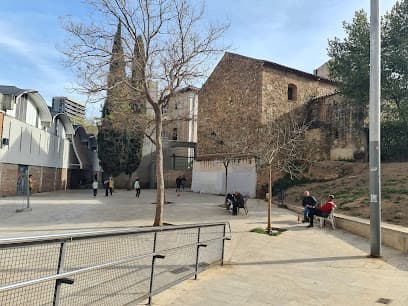
A quiet, concrete tribute to the master of shadows, tucked away in the working-class heart of Nou Barris where the real Barcelona breathes far from the tourist mobs.
0.0(0)
Memorial park
ATTRACTION
Ascensor Pasage de Grau 17
100 m · Nou Barris
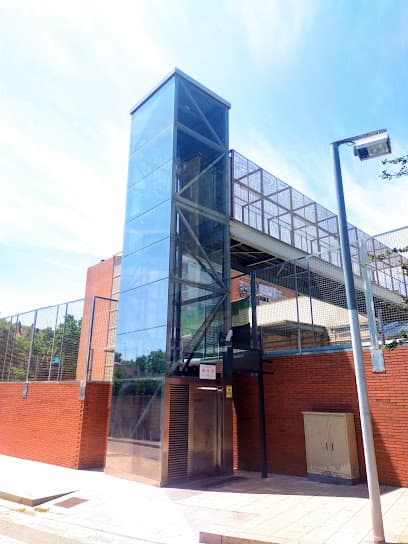
A vertical lifeline in the concrete lungs of Nou Barris, where a municipal lift saves you from the brutal, lung-burning inclines of Barcelona’s realest working-class hills.
3.0(1)
Hiking area

RESTAURANT
Tapas de Luxe
50 m · Nou Barris
A gritty, unapologetic neighborhood joint in Nou Barris where the 'Luxe' is purely ironic and the tapas are honest, salt-of-the-earth fuel for the people who actually run this city.
4.1(12)
Tapas barTapas restaurant
RESTAURANT
BconBar
€€50 m · Nou Barris
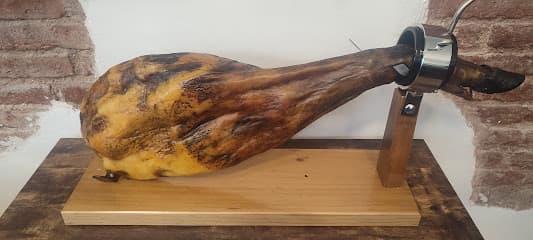
Forget the Gothic Quarter's overpriced theater. This is Nou Barris: unvarnished, honest, and serving the kind of soul-restoring tapas that tourists usually trade for a view of a cathedral.
5.0(16)
Tapas bar

HOTEL
Mellow Hostel Barcelona
€600 m · Municipality of Horta-Guinardó
Perched high in Horta-Guinardó, this is where you trade central convenience for a killer rooftop view and the kind of quiet you won't find anywhere near the Ramblas.
3.0(932)
Hostel
HOTEL
Comfort Barcelona Rooms
€€650 m · Nou Barris
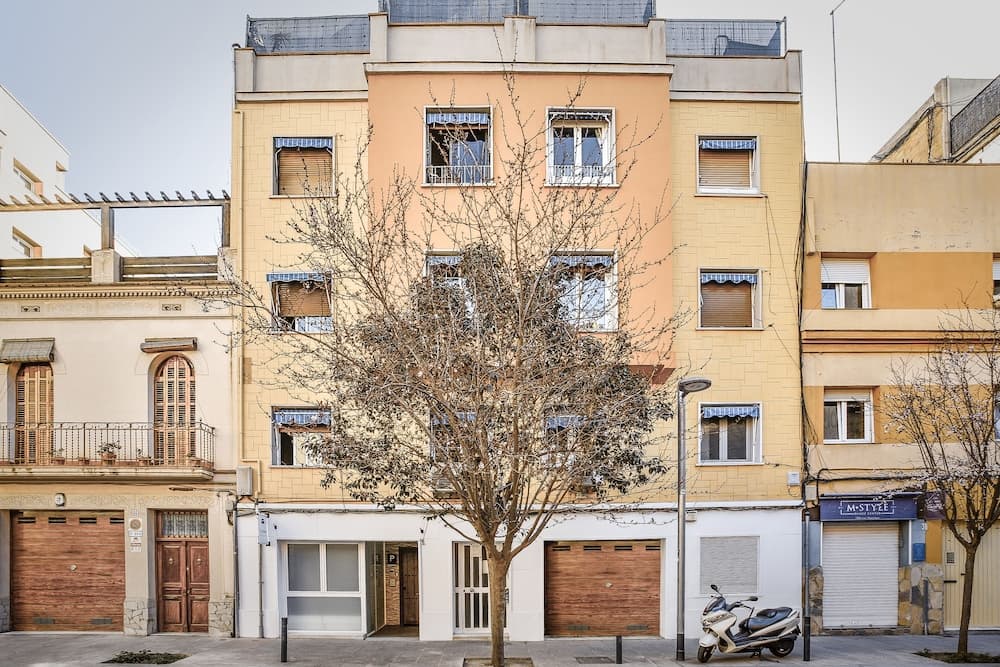
A no-frills crash pad in the gritty, real-deal neighborhood of Nou Barris. It’s cheap, it’s functional, and it’s exactly what you need when your budget is tighter than a drum.
3.8(133)
Hotel
Frequently Asked Questions
Is Plaça de Can Basté worth visiting?
Yes, if you want to see an authentic, non-touristy side of Barcelona. The 18th-century farmhouse is a beautiful piece of history, and the photography exhibitions inside are some of the best and most socially conscious in the city.
How do I get to Plaça de Can Basté?
Take the L5 Metro to Virrei Amat or the L4 to Llucmajor. From either station, it is a short 5-10 minute walk along Passeig de Fabra i Puig.
What can you do at Can Basté?
You can explore the historic masia, view free photography exhibitions, participate in community workshops, or simply enjoy the local atmosphere of the square.
Is there an entrance fee for Can Basté?
No, access to the square and the photography exhibitions inside the civic center is generally free to the public.
Reviews
0 reviews for Plaça de Can Basté
No reviews yet. Be the first to share your experience!