4.6
323 verified reviews
About
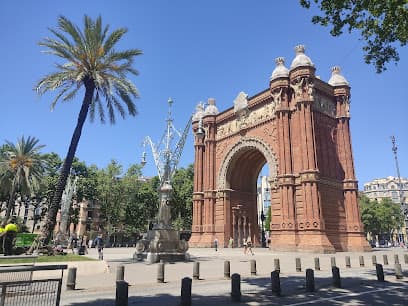
Most cities build triumphal arches to celebrate the fact that they successfully killed a lot of people in a far-off land. Barcelona, being Barcelona, built the Arc de Triomf to celebrate a party. Specifically, the 1888 Universal Exposition. It’s a massive, rust-red brick middle finger to the traditional grey stone of military conquest, and it marks the start of the Passeig de Lluís Companys—a wide, palm-lined promenade that serves as the city’s grand foyer.
Walking down this stretch is one of the best things to do in Barcelona if you want to see the city’s layers stripped bare. At the top, you have the tourists, necks craned, trying to fit the entire arch into a vertical TikTok frame. But as you move toward the Parc de la Ciutadella, the vibe shifts. The air fills with the clatter of skateboards hitting granite and the faint, sweet smell of cannabis drifting from the benches. This isn't a manicured museum piece; it’s a living, breathing artery of the Ciutat Vella.
Look up and you’ll see the lampposts. These aren't your standard-issue street lights. Designed by Pere Falqués, they are iron-wrought masterpieces of Modernisme, heavy and ornate, looking like something out of a steampunk fever dream. They line the path toward the Palau de Justícia, a grim, imposing fortress of law that sits on the right-hand side. There’s a delicious irony in watching street performers juggle fire or blow six-foot soap bubbles while the highest judges in Catalonia are inside deciding someone’s fate behind those massive stone walls.
The promenade bears the name of Lluís Companys, the President of Catalonia who was executed by Franco’s regime in 1940. It’s a heavy name for a place where children chase pigeons and teenagers practice kickflips, but that’s the Mediterranean way—life happens right on top of the tragedy. You can’t understand the history of this neighborhood without acknowledging that weight. The statues lining the walk—tributes to various Catalan luminaries—stand as silent witnesses to the city’s stubborn refusal to be anything other than itself.
Is the Arc de Triomf worth visiting? Absolutely. But don't just take the photo and leave. Walk the length of the Passeig. Watch the 'living statues' sweat through their metallic paint. Listen to the buskers playing Spanish guitar with varying degrees of talent. It’s a place of transition, taking you from the tight, claustrophobic alleys of El Born into the green, sprawling chaos of the park.
If you’re looking for cheap eats near Arc de Triomf, you’re in luck. The side streets are packed with Chinese bakeries and hole-in-the-wall tapas bars that haven't yet realized they could be charging double. Grab a coffee, find a bench, and just watch the circus. It’s one of the few places in the city where the grand architecture doesn't feel like it's looking down on you. It’s a promenade for the people, built for a world’s fair, and still hosting a bit of a carnival every single day. By the time you reach the gates of the park at the end of the walk, you’ll realize that the arch wasn't the destination—the walk itself was.
Type
Park
What People Say
arc de triomf(10)walk(8)history(5)public lighting(4)street artist(4)monument(4)music(4)parrots(3)
Features
Park
Categories
ArchitectureHistoryParkPhotography
Opening Hours
- MondayOpen 24 hours
- TuesdayOpen 24 hours
- WednesdayOpen 24 hours
- ThursdayOpen 24 hours
- FridayOpen 24 hours
- SaturdayOpen 24 hours
- SundayOpen 24 hours
Accessibility
- Fully wheelchair accessible
- Flat pedestrian paving
- Accessible via public transport
Location
Ciutat Vella, Barcelona
Nearby
ATTRACTION
Meeting place for Monserrat
50 m · Ciutat Vella
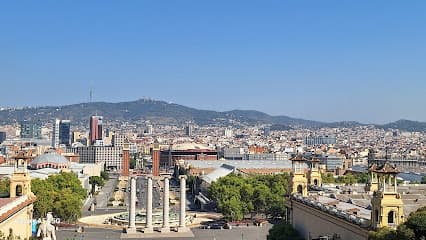
The curb where the city ends and the mountain begins. Grab a coffee, watch the Arc de Triomf glow, and wait for the bus that hauls you toward the jagged peaks of the heavens.
4.3(8)
Tourist attraction
ATTRACTION
Barcelona Segway Tour
100 m · Ciutat Vella
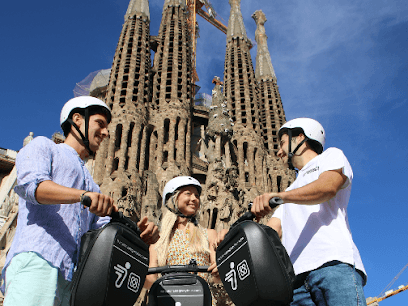
Trade your dignity for a two-wheeled chariot. It looks ridiculous, but gliding through the Ciutadella with a guide who actually knows their history is a damn fine way to see the city.
4.9(469)
Sightseeing tour agencyTour agency
RESTAURANT
fismuler barcelona
150 m · Ciutat Vella
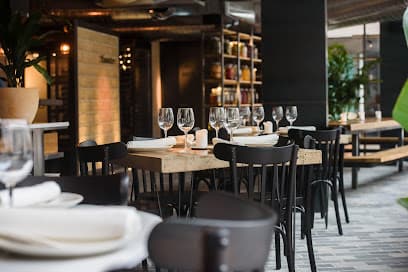
A stripped-back temple of cool in El Born where the cheesecake is a religious experience and the schnitzel is big enough to serve as a weighted blanket. No tablecloths, just soul.
4.4(3K)
Restaurant
RESTAURANT
Elsa y Fred
€€150 m · Ciutat Vella
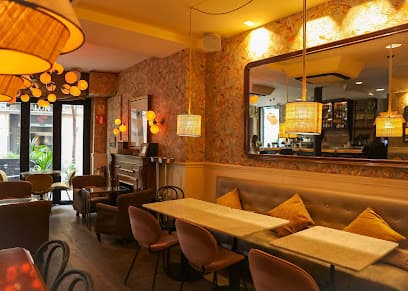
A retro-chic sanctuary in Ciutat Vella where the 1950s meet world-class tapas. Forget the tourist traps; come for the waffle-cut bravas and stay for the wood-fired soul.
4.5(5K)
RestaurantMediterranean restaurant
HOTEL
Hotel Catalonia Born
€€150 m · Ciutat Vella
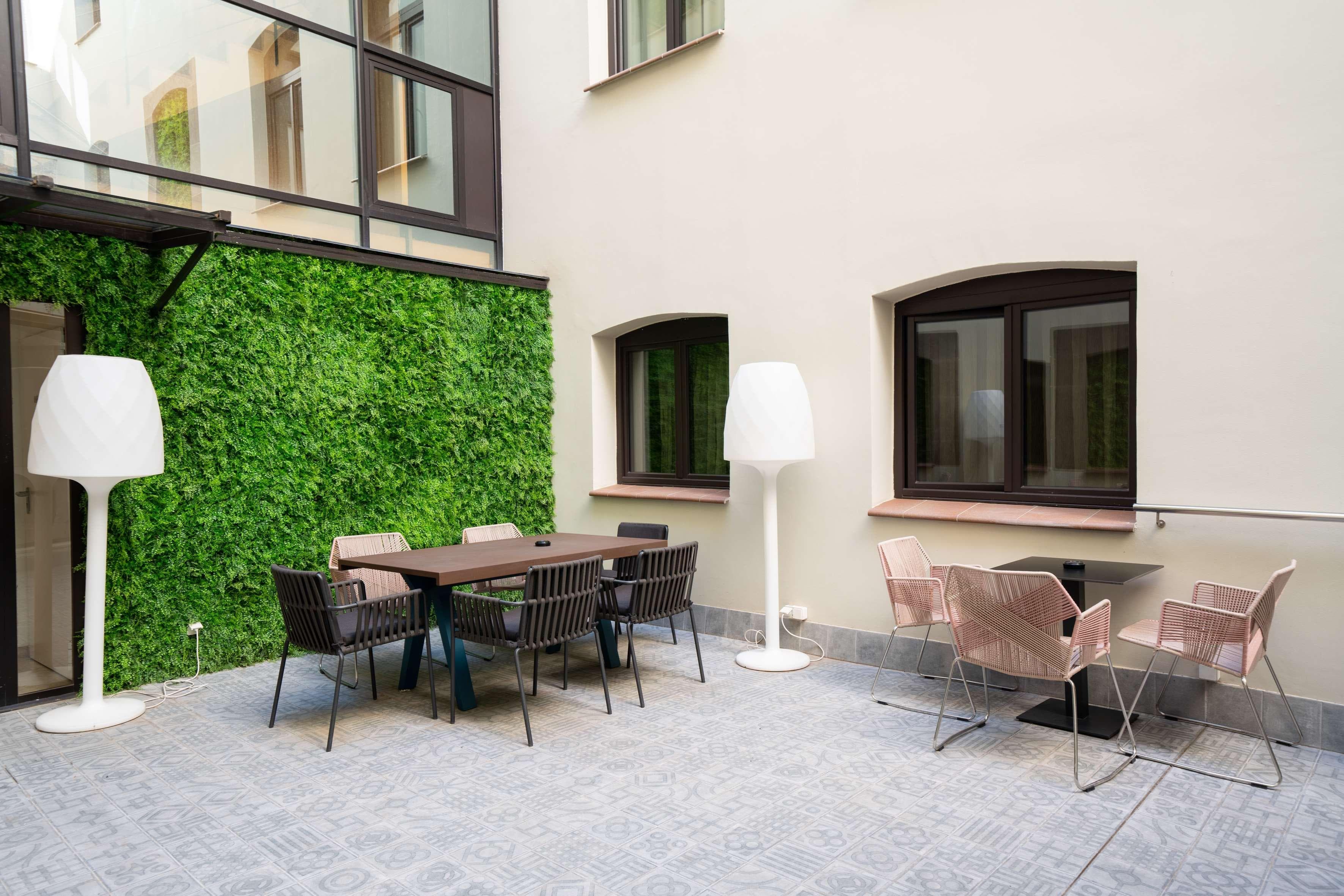
A 19th-century textile warehouse turned sanctuary in El Born, where the rooftop views of the Arc de Triomf are better than the overpriced cocktails in the square below.
4.4(924)
Hotel

HOTEL
Hotel REC Barcelona
€150 m · Ciutat Vella
An adults-only urban bunker where industrial design meets the edge of El Born. Expect rooftop cocktails, glass showers, and zero screaming children near the Arc de Triomf.
4.6(1K)
Hotel
Frequently Asked Questions
Is Passeig de Lluís Companys worth visiting?
Yes, it is one of the most iconic pedestrian walks in Barcelona, connecting the Arc de Triomf to Parc de la Ciutadella. It offers a perfect blend of grand 19th-century architecture and local street life.
How do I get to the Arc de Triomf?
The easiest way is by Metro; take Line 1 (Red) to the 'Arc de Triomf' station. It is also a short 10-minute walk from the El Born neighborhood.
What is the best time to visit Passeig de Lluís Companys?
Late afternoon is best, as the low sun hits the red brick of the Arc de Triomf beautifully, and the promenade fills with local life, skaters, and street performers.
Are there things to do near Passeig de Lluís Companys?
Yes, you are steps away from Parc de la Ciutadella, the Barcelona Zoo, and the trendy shops and bars of the El Born district.
Reviews
0 reviews for Passeig de Lluís Companys
No reviews yet. Be the first to share your experience!