3.0
1 verified reviews
About
Nou Barris isn’t looking for your approval. It doesn’t care if you think it’s pretty, and it certainly isn’t interested in selling you a miniature plastic Sagrada Família. This is the Barcelona that works, the Barcelona that sweats, and the Barcelona that—when the sun starts to dip—heads to places like the Park of the Ropes (Parc de les Cordes) to let the kids burn off a day’s worth of pent-up energy.
Located on Carrer del Dr. Letamendi, this isn't a 'park' in the sense of rolling meadows and manicured rose bushes. It’s urban acupuncture. It’s a tactical insertion of play into a landscape of high-rise apartment blocks and concrete. The centerpiece, the reason for the name, is a massive, geometric web of tensioned ropes. It’s a vertical labyrinth that looks like something a giant, caffeinated spider might have spun after watching a documentary on structural engineering.
For the uninitiated, Nou Barris can feel like a different planet compared to the polished stones of the Gothic Quarter. This is one of the city’s most northern reaches, a district built largely to house the waves of migrants who arrived in the mid-20th century. For decades, these neighborhoods fought tooth and nail for basic services—paving, lighting, and green space. When you stand at the base of this rope pyramid, you’re looking at the spoils of that war. It’s a functional, honest piece of civic design that prioritizes the physical development of local kids over the aesthetic whims of travel bloggers.
The experience here is visceral. You hear the rhythmic 'thwack' of sneakers hitting rubberized flooring, the sharp shouts of children navigating the higher tiers of the rope structure, and the low hum of traffic from the nearby Meridiana. There’s a smell in the air that’s uniquely Barcelona—a mix of dry dust, sea salt carried on the wind, and the faint aroma of roasting coffee from a nearby balcony.
Is it 'worth it' to come all the way out here? That depends on what you’re looking for. If you want a curated, hermetically sealed tourist experience, stay in Eixample. But if you want to see how the city actually breathes, if you want to sit on a bench and watch the real life of a Barcelona barrio unfold, then yes, it’s worth every stop on the L4 metro line. You’ll see grandfathers in flat caps discussing the local football scores while their grandkids risk life and limb on the ropes. You’ll see the diversity of the modern city in every face.
There are no tickets. There is no 'best time to visit' other than when the light is golden and the neighborhood is out in force. It’s a reminder that the best things in a city are often the simplest: a place to climb, a place to sit, and a community that claims both as their own. It’s not a 'must-see' landmark; it’s a 'must-understand' piece of the Barcelona puzzle. If you leave without a bit of dust on your shoes and a better understanding of what life looks like outside the tourist bubble, you’ve done it wrong.
Type
Park
Features
Park
Categories
PlaygroundUrban DesignLocal Life
Accessibility
- Flat paved access to the park area
- Rubberized safety flooring around climbing structures
Location
Carrer del Dr. Letamendi, 120
Nou Barris, Barcelona
Nearby
ATTRACTION
Plaça Karl Marx
150 m · Nou Barris
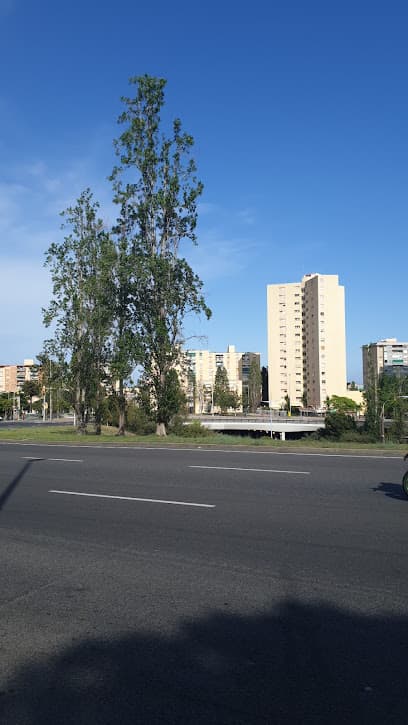
A sprawling concrete vortex of exhaust and ideology where the Ronda de Dalt screams past the working-class heart of Nou Barris. It’s not a park; it’s a manifesto in asphalt.
3.9(55)
Park
ATTRACTION
Parc Central de Nou Barris
450 m · Nou Barris
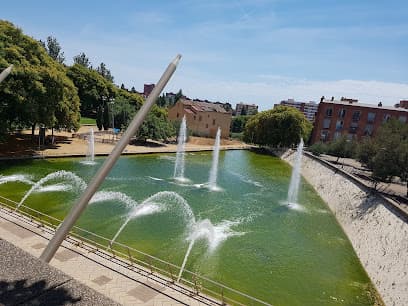
The second-largest park in Barcelona is a sprawling, steel-and-water masterpiece built on the grounds of an old asylum, where the real city comes to breathe, skate, and escape the crowds.
4.3(9K)
ParkTourist attraction
RESTAURANT
Restaurante Turístico La Perla
€€50 m · Nou Barris
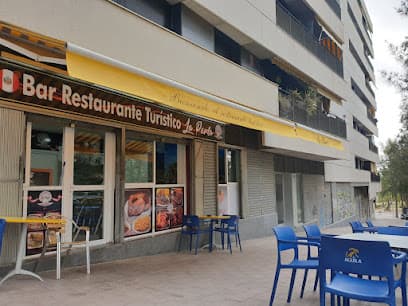
A loud, proud slice of Lima tucked away in Nou Barris, where the ceviche is sharp enough to wake the dead and the anticuchos smoke with pure, unadulterated soul.
4.7(101)
Peruvian restaurantFamily restaurant
RESTAURANT
Mesón Balouta Restaurante Gallego.
150 m · Nou Barris
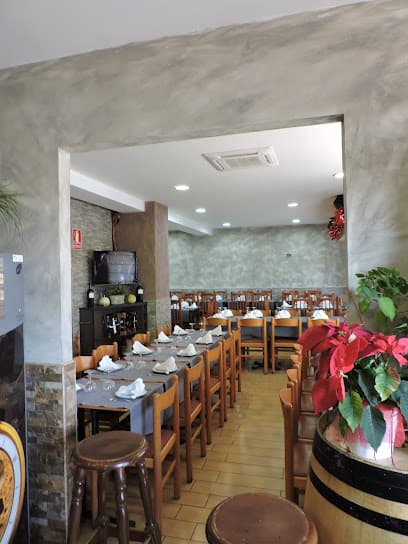
A no-nonsense Galician outpost in Nou Barris where the octopus is tender, the ribeye is massive, and the tourists are nowhere to be found. Pure, unadulterated neighborhood soul.
3.9(560)
Tapas restaurantEuropean restaurant
HOTEL
Hotel Colors
€900 m · Municipality of Horta-Guinardó
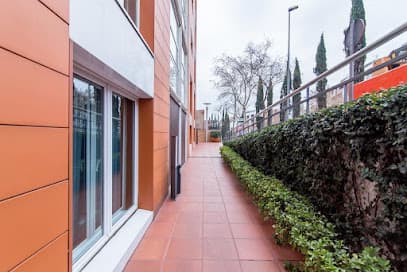
A no-frills outpost in Horta where the walls are bright, the Metro is your lifeline, and you’re far enough from the Rambla to actually hear yourself think and find a parking spot.
3.5(450)
Hotel
HOTEL
Hostelle Barcelona
€1.4 km · Nou Barris
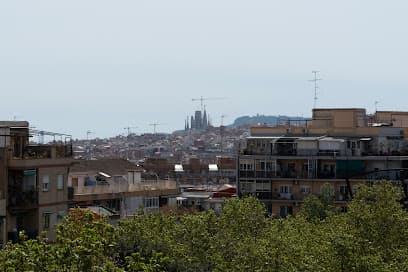
A female-only sanctuary in the gritty, real-deal neighborhood of Nou Barris. No tourist traps here—just clean bunks, a shared kitchen, and the L4 metro to whisk you into the chaos.
4.3(146)
Youth hostel
Frequently Asked Questions
Is the Park of the Ropes worth visiting?
Only if you want to see an authentic, non-touristy side of Barcelona. It's a local playground in a working-class neighborhood, not a major historical landmark.
What is there to do at Parc de les Cordes?
The main attraction is a large rope climbing structure designed for children and teenagers. It's a great spot for kids to play while you observe local neighborhood life.
How do I get to the Park of the Ropes?
Take the L4 Metro to Via Júlia or L1 to Torras i Bages. It's a short walk from either station into the Prosperitat neighborhood.
Is the park safe for tourists?
Yes, it is a family-oriented residential area. However, like any non-tourist district, stay aware of your surroundings and don't expect English-speaking services nearby.
Reviews
0 reviews for Park of the ropes
No reviews yet. Be the first to share your experience!