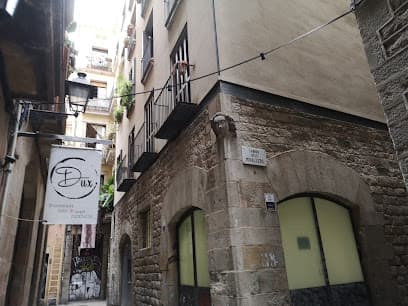
4.7
6 verified reviews
About
If you’re walking through the narrow, shadow-drenched veins of El Born and you feel like someone is watching you, look up. At the corner of Carrer dels Vigatans and Carrer dels Mirallers, a weathered stone face—a 'carassa'—emerges from the masonry. It’s been there since the 15th century, and it wasn't put there to look pretty. This is a relic of a Barcelona that didn't give a damn about your sensibilities. It was a functional, sweaty, maritime hub where sailors arrived with pockets full of coin and a singular, urgent set of needs.
In the 1400s, literacy was a luxury for the clergy and the elite. The average deckhand coming off a galley in the nearby port couldn't read a street sign, let alone a menu. So, the city spoke in symbols. A stone head of a woman with long, flowing hair was the universal icon for a brothel. It was the medieval equivalent of a neon 'Open' sign, signaling that pleasure was available just behind the heavy wooden doors below. While the rest of the world was building cathedrals to the divine, Barcelona was also marking its cathedrals of the flesh with the same stone-carving precision.
The Ribera district, where La Carassa resides, was the heart of this world. It was a neighborhood of guilds, merchants, and the rough-and-tumble crowd that kept the Mediterranean trade moving. Today, the area is filled with high-end boutiques and overpriced gin bars, but the Carassa remains as a stubborn reminder of the neighborhood's unvarnished roots. The carving itself is haunting—a wide-eyed, slightly grotesque face that has survived wars, plagues, and the relentless gentrification of the Ciutat Vella. It’s a piece of history that hasn't been polished for the tourists; it’s just there, staring, indifferent to the passage of time.
Finding it requires you to slow down and actually look at the architecture, something most people forget to do while hunting for the next photo op. The street itself, Carrer dels Vigatans, still retains that claustrophobic, medieval energy where the balconies almost touch and the sun only hits the pavement for twenty minutes a day. Standing under the Carassa, you can almost hear the clatter of carts and the shouting of merchants from five hundred years ago. It’s one of the few places where the 'dark' in Dark Ages feels literal.
Is it worth a detour? Absolutely. Not because it’s a grand monument, but because it’s the truth. It represents the side of Barcelona that the tourism boards usually try to bury under layers of Gaudí-inspired whimsy. It’s a testament to the city’s long history as a place of trade, vice, and survival. You don't need a ticket, you don't need to wait in line, and you don't need a guide to tell you what it means. You just need to look up and acknowledge the stone-cold reality of the 15th century staring back at you. It’s a small, visceral connection to the humans who walked these same stones centuries ago, driven by the same basic instincts that still move the world today.
Type
Tourist attraction
Features
Tourist attraction
Categories
HistoryArchitectureMedievalStreet Art
Opening Hours
- MondayOpen 24 hours
- TuesdayOpen 24 hours
- WednesdayOpen 24 hours
- ThursdayOpen 24 hours
- FridayOpen 24 hours
- SaturdayOpen 24 hours
- SundayOpen 24 hours
Accessibility
- Public street access
- Viewable from ground level
- Narrow cobblestone streets may be challenging for some wheelchairs
Location
Carrer dels Vigatans, 10
Ciutat Vella, Barcelona
Nearby
ATTRACTION
Mural Picasso - Liberto
50 m · Ciutat Vella
A line-drawn ghost on a crumbling wall in El Born that tourists mistake for a masterpiece and locals ignore on their way to get a cold glass of vermouth.
1.0(1)
Tourist attraction

ATTRACTION
Mural
50 m · Ciutat Vella
A towering, skeletal masterpiece by Aryz that proves Barcelona's best art isn't always behind a velvet rope. It's raw, haunting, and tucked away in a gritty El Born alley.
0.0(0)
Tourist attraction

RESTAURANT
Txirimiri
€€50 m · Ciutat Vella
A slice of San Sebastián in the heart of El Born, where the cider flows from a height and the seared foie gras pintxos will make you forget the tourist crowds outside.
4.5(1K)
Restaurant
RESTAURANT
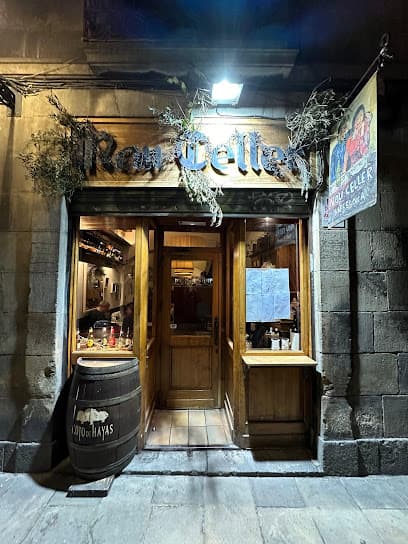
Nou Celler
€€50 m · Ciutat Vella
A wood-beamed relic in El Born where the menú del día is king and the black rice is as dark as a smuggler’s heart. No frills, just honest Catalan soul served on a crowded plate.
4.3(1K)
Catalonian restaurant
HOTEL
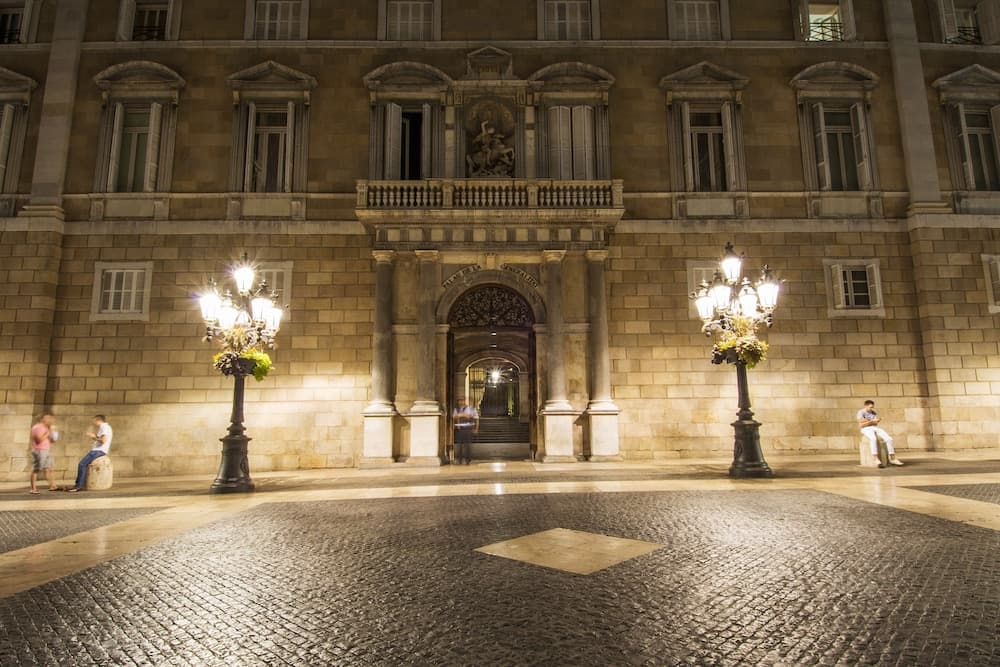
Safestay Barcelona Gothic
€50 m · Ciutat Vella
A gritty, no-frills bunk in the heart of El Born where the rooftop views of the Gothic Quarter almost make you forget you're sharing a room with seven snoring strangers.
3.7(544)
Hostel
HOTEL
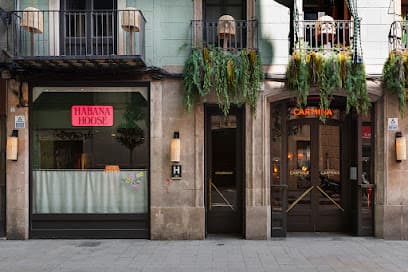
chic&basic Habana Hoose Hotel
€50 m · Ciutat Vella
A neon-soaked, 1950s Havana fever dream dropped into the medieval heart of El Born. It’s tight, it’s loud, and it’s got more soul than any sterile luxury chain.
4.3(192)
Hotel
Frequently Asked Questions
Is La Carassa worth visiting?
Yes, if you appreciate dark history and architectural curiosities. It takes only a few minutes to find and offers a raw look at the gritty, medieval social life of Barcelona.
What does the stone head signify?
In the 15th century, these stone faces (carasses) were used to mark the location of brothels, serving as visual signs for illiterate sailors and travelers.
How do I find La Carassa?
It is located high on the corner of the building at the intersection of Carrer dels Vigatans and Carrer dels Mirallers in the El Born neighborhood.
Is there an entry fee for La Carassa?
No, it is a public architectural feature located on the exterior of a building and can be viewed for free at any time.
Reviews
0 reviews for LA CARASSA - siglo xv
No reviews yet. Be the first to share your experience!