5.0
3 verified reviews
About
Passeig de Joan de Borbó is not a place you go for quiet contemplation. It is a high-decibel, salt-crusted, sun-bleached artery that pumps the lifeblood of the city directly into the Mediterranean. If you’re looking for the 'real' Barcelona, this is it—in all its messy, tourist-choked, glorious contradiction. On one side, you have the Port Vell marina, where yachts the size of small aircraft carriers bob in the water, owned by people who probably don’t know what a metro card looks like. On the other side, a relentless line of seafood restaurants stands like a firing squad, their waiters armed with laminated menus featuring photos of paella that look suspiciously like they were taken in 1994.
Walking down this promenade is a rite of passage. It’s the transition from the claustrophobic, ancient shadows of the Gothic Quarter to the wide-open horizon of the sea. You’ll smell it before you see it: the brine of the harbor, the diesel from the harbor tours, and the intoxicating, dangerous scent of garlic hitting hot olive oil. This is the main thoroughfare of the Barceloneta neighborhood, a place that used to belong to fishermen and dockworkers before the 1992 Olympics decided to invite the rest of the world over for a drink.
The vibe here is pure theater. You’ve got rollerbladers weaving through crowds of bewildered tourists, street performers hoping for a few coins, and locals who have lived here since the days of Franco, sitting on benches and watching the circus with a mixture of boredom and disdain. Overhead, the vintage red cars of the Port Vell Aerial Tramway crawl across the sky like something out of a Wes Anderson film, connecting the harbor to the heights of Montjuïc. It’s one of the best things to do in Barcelona if you want to understand the city’s scale—the way the mountains literally drop into the sea.
Now, a word of advice from someone who’s been burned: don’t just sit down at the first place that offers you a 'tourist menu' and a liter of neon-pink sangria. The frontline of Joan de Borbó is a minefield of mediocrity designed for people who will never come back. If you want the soul of the neighborhood, use this promenade as your compass, but then veer off into the narrow, laundry-draped side streets of Barceloneta. That’s where you’ll find the damp, crowded tapas bars where the vermouth is cheap and the shrimp are so fresh they’re practically still arguing.
Is it worth visiting? Absolutely. You can’t claim to know Barcelona without walking this stretch. It’s the city’s front porch. It’s where the grit of the old port meets the glitz of the new money. It’s loud, it’s crowded, and in the height of August, it’s hot enough to melt your soul. But when the sun starts to dip behind the W Hotel and the light turns that specific shade of Catalan gold, there is nowhere else you’d rather be. It’s the gateway to the beach, the entrance to the old fisherman’s quarter, and a front-row seat to the beautiful, chaotic mess of a city that refuses to be tamed by tourism.
Type
Promenade
Features
Promenade
Categories
WaterfrontPublic SpacePhotography
Accessibility
- Fully paved and flat
- Wheelchair accessible
- Bicycle lanes available
Location
Ciutat Vella, Barcelona
Nearby
ATTRACTION
Ramblas
100 m · Ciutat Vella
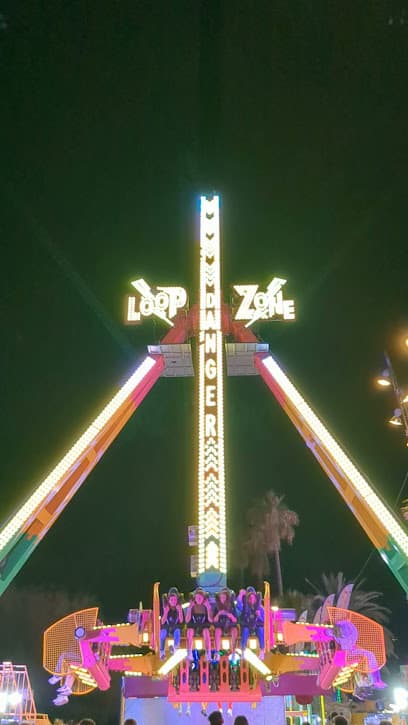
A frontline seafood veteran on Barceloneta’s main drag where the salt air meets the sizzle of the plancha and the harbor views are as thick as the garlic allioli.
0.0(0)
Tourist attraction
ATTRACTION
el Negre de la Riba
150 m · Ciutat Vella
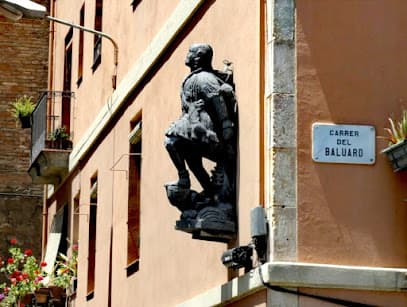
A wooden ghost from a 19th-century brigantine, staring down at the narrow streets of Barceloneta. It’s the stubborn heartbeat of a neighborhood that refuses to be just another tourist beach.
5.0(10)
SculptureTourist attraction
RESTAURANT
Restaurant Port Vell
€€50 m · Ciutat Vella
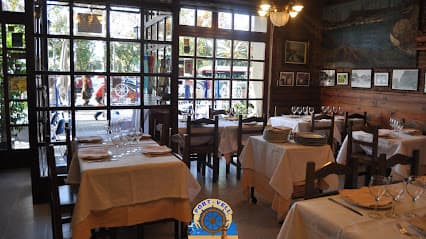
A salt-crusted terrace on the Barceloneta gauntlet where the paella is yellow, the sangria flows, and the people-watching is better than the frozen squid. Eat with your eyes open.
3.8(1K)
Restaurant
RESTAURANT
Can Solé
100 m · Ciutat Vella
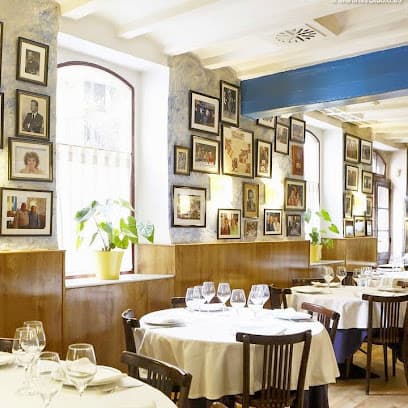
A 1903 Barceloneta institution where white tablecloths meet the salt-stained soul of the Mediterranean. No gimmicks, just the best arroz caldoso and seafood in the city.
4.3(1K)
Catalonian restaurantMediterranean restaurant

HOTEL
Hotel 54 Barcelona
€250 m · Ciutat Vella
Perched on the edge of the old fisherman’s quarter, this spot trades stuffy luxury for front-row seats to the marina’s chaos and the salt-crusted, unvarnished soul of Barceloneta.
4.2(496)
Hotel
HOTEL
H10 Port Vell
€€400 m · Ciutat Vella
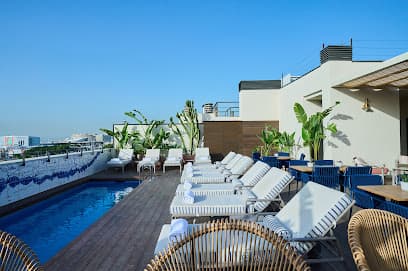
A sleek, white-washed refuge perched where the Gothic Quarter's grit meets the salt air of the harbor, boasting a rooftop that makes the Mediterranean feel like your private pool.
4.6(966)
Hotel
Frequently Asked Questions
Is Passeig de Joan de Borbó worth visiting?
Yes, it is the essential walking route from the city center to the beach. While the restaurants on the main strip can be touristy, the views of the marina and the atmosphere are quintessential Barcelona.
What is the best time to visit Joan de Borbó?
Late afternoon or sunset is best. The light hitting the harbor is spectacular, and the temperature is more manageable than the midday heat.
How do I get to Joan de Borbó Promenade?
Take the Metro L4 (Yellow Line) to the Barceloneta station. From there, it's a two-minute walk toward the water.
Should I eat at the restaurants on the promenade?
Generally, no. Most are overpriced tourist traps. For authentic food, walk one or two blocks into the narrow streets of the Barceloneta neighborhood behind the promenade.
Reviews
0 reviews for Joan de Borbó Promenade
No reviews yet. Be the first to share your experience!