4.6
5 verified reviews
About
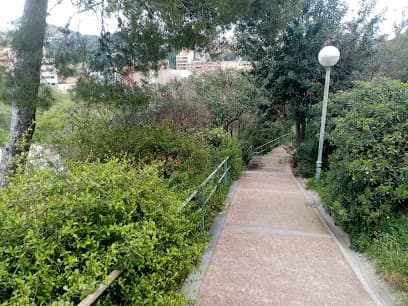
Barcelona is a city that knows how to hide its best secrets in plain sight. You spend your day dodging selfie sticks at Park Güell or getting elbowed in the ribs at La Boqueria, and eventually, your brain starts to fry. You need a palate cleanser. You need the Jardins de Manuel Blancafort. This isn’t a 'must-see' in the way the guidebooks define it. There are no soaring spires, no trencadís mosaics, and absolutely no gift shops selling overpriced magnets. It is, quite simply, an interior d’illa—an interior block garden—and it’s exactly what the doctor ordered when the city gets to be too much.
To understand this place, you have to understand the 'interior d’illa' concept. When Ildefons Cerdà designed the Eixample and the surrounding extensions of the city, he envisioned these green lungs tucked inside the residential blocks. For decades, many were lost to greedy developers and concrete, but Barcelona has been clawing them back. The Jardins de Manuel Blancafort is one of those victories. Tucked away in the northern reaches of Gràcia, near the border of Vallcarca, it’s a space that belongs entirely to the people who live in the apartments overlooking it. You enter through a modest passage, and suddenly, the roar of the city is muffled, replaced by the rhythmic creak of a swing set and the low hum of neighbors gossiping on benches.
The garden is named after Manuel Blancafort, a Catalan composer whose music was often described as intimate and evocative of the landscape. It’s a fitting tribute. The space doesn't scream for attention; it whispers. There’s a playground where local kids burn off energy after school, a few well-placed trees that offer a desperate reprieve from the Mediterranean sun, and a sense of stillness that feels almost illegal in a city as caffeinated as Barcelona. It’s the kind of place where you can sit with a book and a cheap coffee and actually hear yourself think.
What makes this place worth your time isn't what's there, but what isn't. There are no tour groups. No one is trying to sell you a mojito. The 'service,' if you can call it that, is provided by the wind in the leaves and the occasional curious glance from a grandmother who’s been sitting on the same bench since the transition to democracy. It’s raw, honest urban planning that prioritizes the human soul over the tourist Euro. If you’re looking for a 'gastronomic adventure,' keep walking. But if you want to see how the real Barcelona breathes—how the people who actually pay taxes here spend their Tuesday afternoons—this is your spot.
Don’t come here expecting a botanical garden. It’s a neighborhood park, which means it has the occasional scuff mark and the wear and tear of real life. The tiles might be a little faded, and the playground equipment has seen better days, but that’s the point. It’s lived-in. It’s functional. It’s a sanctuary for the weary traveler who has realized that the 'real' Barcelona isn't found in the monuments, but in the quiet spaces between them. It’s a reminder that even in a city that feels like a theme park at times, there are still corners where the locals hold the line. Grab a seat, shut up, and just watch the world go by for twenty minutes. You’ll leave feeling a hell of a lot better than you did when you walked in.
Type
Garden
Features
Garden
Categories
GardenLocal LifeUrban Design
Accessibility
- Flat paved entrance
- Accessible benches
- Ground-level playground
Location
Gràcia, Barcelona
Nearby
ATTRACTION
Jardí dels Arabescos
50 m · Gràcia
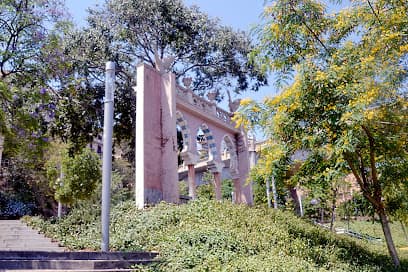
A strange, Neo-Moorish fragment of old Barcelona tucked away in Vallcarca, where horseshoe arches and faded tiles offer a quiet, gritty refuge from the roar of the city.
3.9(10)
Community garden

ATTRACTION
Jardins de Mercè Rodoreda
50 m · Sarrià-Sant Gervasi
A vertical scramble through the literary soul of Catalonia, where the stairs burn your calves and the jasmine smells like Mercè Rodoreda’s prose. Not for the weak of knee.
3.8(199)
ParkTourist attraction
RESTAURANT
Ben Tips
€€100 m · Gràcia
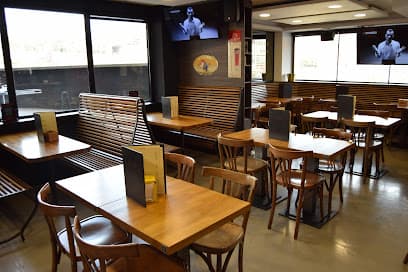
A no-nonsense Gràcia staple where the terrace is huge, the burgers are messy, and the legendary patatas bravas have been fueling the neighborhood for years.
4.0(2K)
RestaurantAmerican restaurant
RESTAURANT
Restaurante :Papila
€€250 m · Gràcia
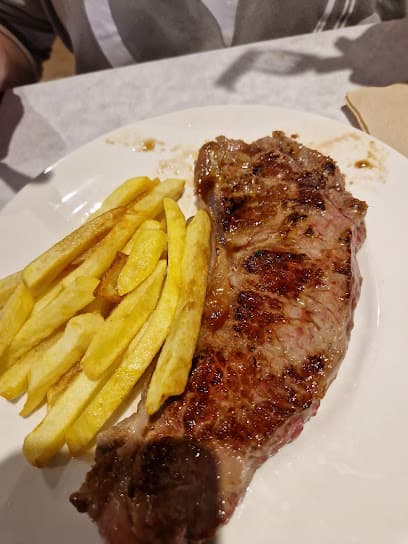
A functional, high-priced pit stop in the shadow of Hospital Delfos where the bocadillos are a necessity of circumstance rather than a choice of the heart.
2.5(51)
Restaurant

HOTEL
Hotel Catalonia Park Güell
€300 m · Gràcia
Perched on the steep hills above the tourist fray, this is where you trade the chaos of the Ramblas for a rooftop pool and a view of Tibidabo’s neon glow.
3.9(2K)
HotelRestaurant
HOTEL
BcnStop Parc Güell
€350 m · Gràcia
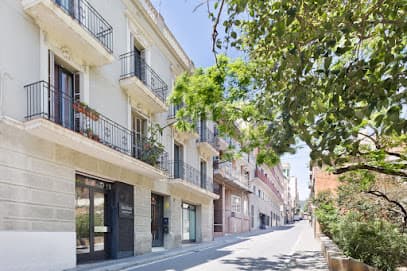
Ditch the sterile hotel lobby for a real apartment in the hills of Gràcia. Clean, quiet, and a short walk to Gaudí’s masterpiece, with a kitchen to cook your market finds.
4.7(313)
HotelApartment building
Frequently Asked Questions
Is Jardins de Manuel Blancafort worth visiting?
Only if you want a quiet, non-touristy break from the city. It is a small neighborhood garden with a playground, not a major landmark or botanical garden.
What is there to do at Jardins de Manuel Blancafort?
It is primarily a space for relaxation and local life. There is a children's play area, benches for sitting, and a small amount of greenery. It's ideal for reading or a quiet pause.
How do I get to Jardins de Manuel Blancafort?
The gardens are located in the Gràcia/Vallcarca area. The easiest way to reach them is via the L3 Metro line, getting off at the Vallcarca station and walking about 5-7 minutes.
Is there an entrance fee for the gardens?
No, like most interior block gardens in Barcelona, admission is free and it is open to the public during daylight hours.
Reviews
0 reviews for Jardins de Manuel Blancafort
No reviews yet. Be the first to share your experience!