4.9
7 verified reviews
About
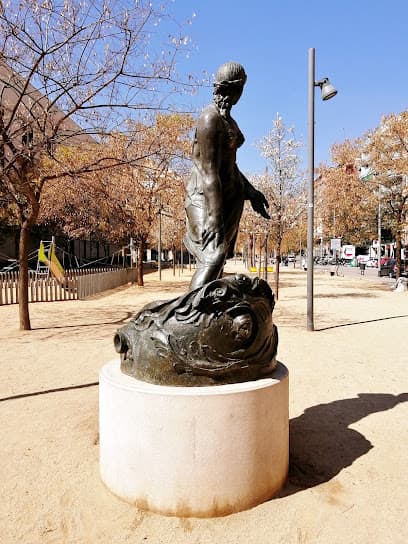
Most people come to Barcelona for the big hits—the Sagrada Familias, the Ramblas, the stuff that looks good on a postcard and fits neatly into a guided tour. But the real soul of this city is often found in the weird, forgotten corners where the past just sits there, ignored by the crowds. The Escultura de Selene is exactly that. It’s a bronze goddess of the moon, cast in 1925 by Joan Borrell i Nicolau, standing in a small, unassuming niche on Avinguda de Vallcarca. It’s not a 'destination' in the way travel agents use the word. It’s a ghost.
To find it, you have to head up toward the northern edge of Gràcia, where the neighborhood starts to tilt upward toward the hills. You’re near the Viaducte de Vallcarca, a massive piece of engineering that feels more like Gotham City than the Mediterranean. The sculpture sits in a small landscaped area that most commuters drive past without a second glance. This is one of the best sculptures in Barcelona precisely because it isn't surrounded by velvet ropes or gift shops. It’s just there, living with the locals, weathering the exhaust fumes and the occasional Mediterranean rain.
Selene herself is a product of Noucentisme, a Catalan cultural movement that traded the wild, organic chaos of Gaudí’s Modernisme for something more classical, orderly, and serene. Borrell i Nicolau was a master of this style. He originally created this piece, along with several others, for the 1929 International Exposition—the same event that gave us the Palau Nacional and the Magic Fountain. For decades, Selene was tucked away in the gardens of the Palauet Albéniz on Montjuïc, a place for dignitaries and kings. But in 2002, the city moved her here, to this quiet corner of Vallcarca, giving the neighborhood a piece of high art to call its own.
The statue depicts the goddess in a moment of quiet repose, her bronze skin having taken on that deep, dark patina that only comes with a century of exposure to the elements. She stands on a simple stone pedestal, her form elegant and unpretentious. There’s a certain melancholy to it—a goddess of the night standing under the harsh glare of streetlights and the shadow of a concrete bridge. If you’re looking for things to do in Gràcia that don't involve waiting in line for forty minutes to buy a overpriced gelato, this is your spot.
Is Escultura de Selene worth it? If you’re the kind of person who needs a plaque and a souvenir shop to tell you something is important, probably not. But if you appreciate the quiet dignity of a well-crafted object in an unexpected place, it’s a revelation. It’s a reminder that Barcelona was a city of artists long before it was a city of tourists. You stand there for a few minutes, watching the neighbors walk their dogs or the teenagers lean against the nearby walls, and you realize that this is how art should be experienced: as part of the furniture of daily life.
Don’t make a special pilgrimage just for the statue unless you’re an art history obsessive. Instead, incorporate it into a walk through the upper reaches of Gràcia. Start at the Lesseps metro station, walk past the madness of the Park Güell crowds, and head toward the Vallcarca bridge. The area is steep, the stairs are brutal, and the architecture is a jumble of old village houses and mid-century apartment blocks. It’s honest. It’s the Barcelona that doesn't care if you like it or not. And right in the middle of it, Selene is still there, watching the moon rise over the Tibidabo mountain, just as she has for a hundred years.
Type
Park
What People Say
sculptures(2)
Features
Park
Categories
SculpturePublic ArtHistory
Accessibility
- Outdoor public space
- Sidewalk access
- Steep hills in the surrounding area
Location
Av. de Vallcarca, 19
Gràcia, Barcelona
Nearby
ATTRACTION
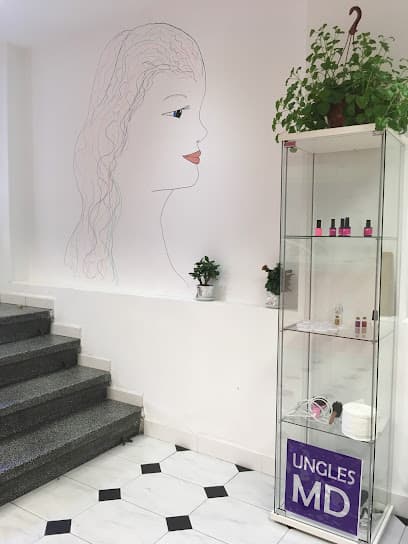
UÑAS M_D
150 m · Sarrià-Sant Gervasi
A no-nonsense nail sanctuary in Sarrià-Sant Gervasi where the focus is on precision, not pomp, serving locals who know a good manicure is a necessity, not a luxury.
5.0(1)
Park
ATTRACTION
Plaça Bolívar
150 m · Gràcia
A quiet, tiered sanctuary in the hills of Vallcarca where the 'Liberator' Simón Bolívar watches over a neighborhood that tourists usually skip on their way to Park Güell.
0.0(0)
Garden
RESTAURANT
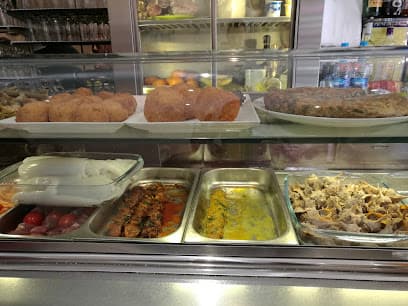
La Palmera
€€50 m · Gràcia
A gritty, no-nonsense neighborhood joint in Vallcarca where the beer is cold, the fried fish is honest, and the terrace offers a front-row seat to real, unpolished Barcelona life.
4.2(228)
Tapas bar
RESTAURANT
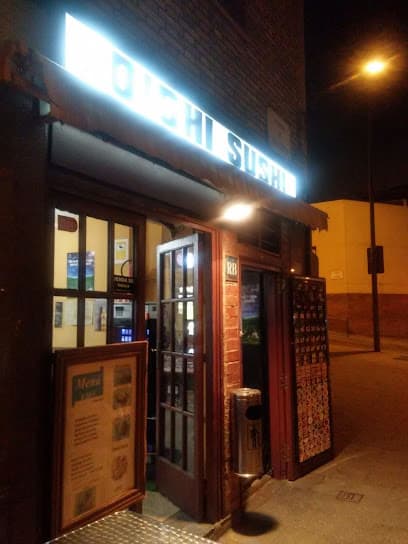
Oishi Sushi
€€50 m · Gràcia
No-frills neighborhood sushi in the steep streets of Vallcarca. It’s honest, unpretentious, and serves the kind of affordable combos that keep the locals fed without the Eixample price tag.
3.7(317)
Sushi restaurant
HOTEL
Hotel Ronda Lesseps
€50 m · Gràcia
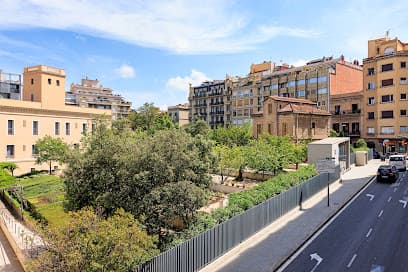
A quiet, unpretentious base camp in the village-like Gràcia, where you’re a short hike from Gaudí’s Park Güell and a world away from the soul-crushing crowds of La Rambla.
4.1(1K)
HotelBar
HOTEL
Monrooms Barcelona
€100 m · Gràcia
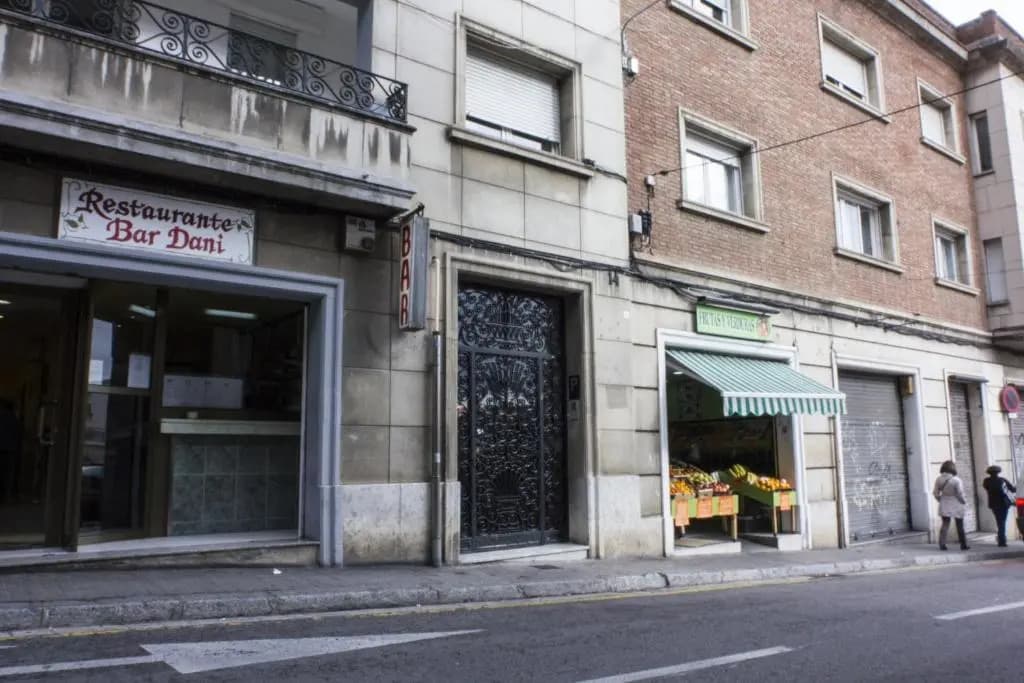
A stripped-back, honest basecamp in upper Gràcia where the communal kitchen smells like real life and Park Güell is just a steep, lung-burning walk away.
4.4(184)
Hotel
Frequently Asked Questions
Is Escultura de Selene worth visiting?
It is worth a stop if you are already exploring the Vallcarca or Gràcia neighborhoods. It is a beautiful, historic bronze sculpture, but as a standalone destination, it only takes about five minutes to see.
How do I get to Escultura de Selene?
The easiest way is to take the L3 Metro to the Vallcarca or Lesseps stations. From there, it is a short but uphill walk to Avinguda de Vallcarca, 19, located near the base of the Vallcarca bridge.
Do I need tickets for Escultura de Selene?
No, it is a public sculpture located in a small street-side garden. It is free to view 24 hours a day.
Reviews
0 reviews for Escultura de Selene
No reviews yet. Be the first to share your experience!