5.0
10 verified reviews
About
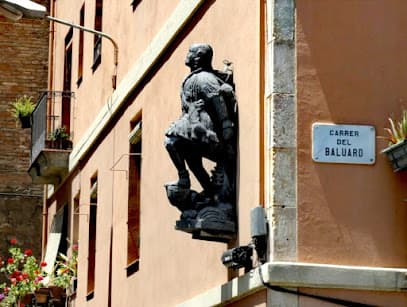
Barceloneta is a neighborhood with a permanent identity crisis, caught between the relentless tide of selfie-sticks and the stubborn, salt-crusted ghosts of its fishing past. If you want to find the latter, you have to turn your back on the Mediterranean, walk away from the overpriced mojitos, and head into the narrow, laundry-choked arteries where the real life happens. On the corner of Carrer d'Andrea Dòria and Carrer de la Maquinista, if you bother to look up, you’ll find him: El Negre de la Riba.
He’s a wooden figurehead, a relic from a mid-19th-century brigantine that supposedly limped into the port of Barcelona around 1860. The ship was destined for the scrap heap, but the figurehead—a stoic, dark-skinned man with a gaze that has seen more storms than you’ve had hot dinners—was saved from the furnace. He was bought by a man named Francesc Bonjoch, who owned a local winery and tavern. For decades, El Negre stood outside that tavern, becoming a silent witness to the evolution of the barrio. He became the neighborhood mascot, a landmark for sailors, dockworkers, and the kind of people who drink vermouth for breakfast. "Meet me at El Negre" wasn't just a direction; it was a way of life.
The thing you’re looking at now on the facade of the building at Carrer d'Andrea Dòria, 4, is a replica, placed there in 2003. The original, battered by a century of sea air and tavern brawls, is resting in the Museu Marítim de Barcelona. But don't let the "replica" tag put you off. In a city that is rapidly being polished into a frictionless, high-end shopping mall, El Negre represents the grit that remains. He represents a time when the sea wasn't just a backdrop for a sunset photo, but a source of livelihood, danger, and occasionally, a bit of mystery.
There’s a lot of talk about what El Negre actually represents. Some say the ship was involved in the slave trade—a dark chapter of Barcelona’s maritime history that the city is only recently starting to talk about honestly. Others see him simply as a symbol of the diverse, global reach of the 19th-century port. Whatever the truth, he is a piece of the neighborhood’s DNA. He’s survived the demolition of the old shantytowns, the Olympic makeover of 1992, and the current wave of gentrification. He’s still there, watching the locals hang their towels and the tourists wander by, looking for the nearest brunch spot.
Is it worth the walk? If you’re looking for a grand monument with a gift shop, no. But if you want to understand the marrow of Barceloneta—the part that smells like fried sardines and old wood—then yes. It’s one of the best things to do in Barceloneta if you actually give a damn about history. Stand there for a minute. Look at the way the light hits the wood. Then, do what the locals do: go find a dark, crowded bar nearby, order a glass of something strong, and toast to the ghosts of the Riba. This is the real Barcelona, hidden in plain sight, staring you right in the face.
Type
Sculpture, Tourist attraction
What People Say
1860(2)
Features
Sculpture
Tourist attraction
Categories
HistoryMaritimePublic ArtLocal Legend
Opening Hours
- MondayOpen 24 hours
- TuesdayOpen 24 hours
- WednesdayOpen 24 hours
- ThursdayOpen 24 hours
- FridayOpen 24 hours
- SaturdayOpen 24 hours
- SundayOpen 24 hours
Accessibility
- Public street access
- Wheelchair accessible sidewalk
Location
Carrer d'Andrea Dòria, 4
Ciutat Vella, Barcelona
Nearby
ATTRACTION
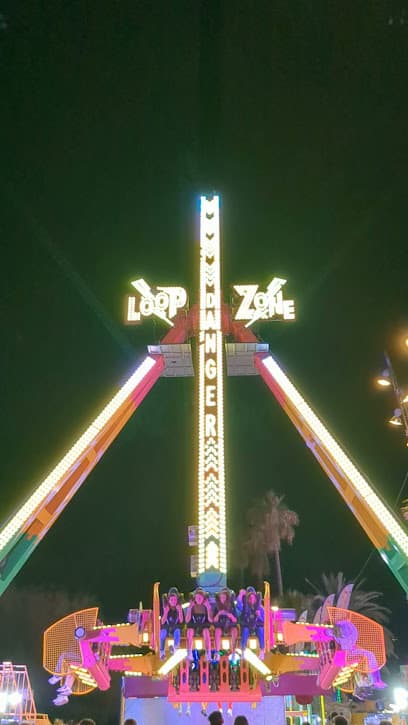
Joan de Borbó Promenade
150 m · Ciutat Vella
The sun-drenched gauntlet where billionaire yachts meet the smell of frying calamari, serving as the salty, chaotic gateway to Barcelona’s most famous stretch of sand.
5.0(3)
Promenade
ATTRACTION
Ramblas
150 m · Ciutat Vella
A frontline seafood veteran on Barceloneta’s main drag where the salt air meets the sizzle of the plancha and the harbor views are as thick as the garlic allioli.
0.0(0)
Tourist attraction
RESTAURANT
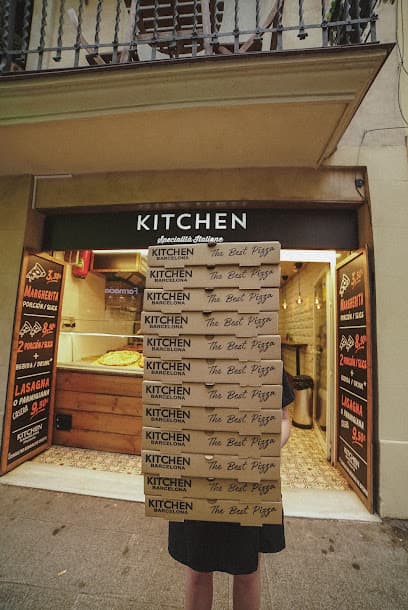
Kitchen Pizzeria Barcelona
€100 m · Ciutat Vella
A no-nonsense temple of dough and fire in Barceloneta where the 4.9 rating isn't hype—it's a testament to perfect crust, molten cheese, and the best calzone you'll find near the Mediterranean.
4.9(2K)
Pizza restaurantDelivery service
RESTAURANT
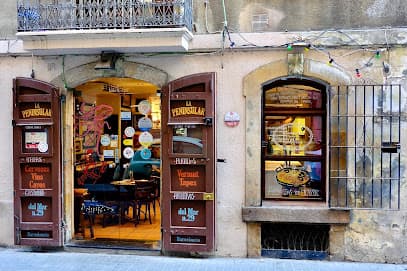
Bodega La Peninsular
€€100 m · Ciutat Vella
A defiant sanctuary in Barceloneta where the seafood is actually fresh, the wine flows from barrels, and the 'Slow Food' ethos keeps the tourist-trap vultures at bay.
4.6(1K)
Tapas barBrewery

HOTEL
Hotel 54 Barcelona
€300 m · Ciutat Vella
Perched on the edge of the old fisherman’s quarter, this spot trades stuffy luxury for front-row seats to the marina’s chaos and the salt-crusted, unvarnished soul of Barceloneta.
4.2(496)
Hotel
HOTEL
H10 Port Vell
€€450 m · Ciutat Vella
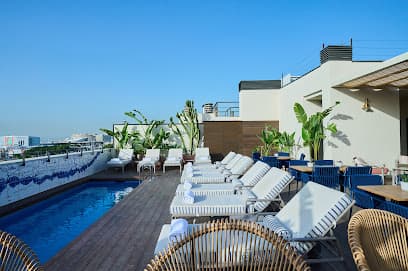
A sleek, white-washed refuge perched where the Gothic Quarter's grit meets the salt air of the harbor, boasting a rooftop that makes the Mediterranean feel like your private pool.
4.6(966)
Hotel
Frequently Asked Questions
Is El Negre de la Riba worth visiting?
Yes, if you appreciate maritime history and neighborhood legends. It's a quick, free stop that offers a glimpse into the raw character of Barceloneta away from the tourist crowds.
Where is the original El Negre de la Riba figurehead?
The original 19th-century wooden figurehead is preserved in the Museu Marítim de Barcelona (Maritime Museum). The one on Carrer d'Andrea Dòria is a faithful replica installed in 2003.
What is the history of El Negre de la Riba?
It was originally the figurehead of a brigantine ship that arrived in Barcelona around 1860. After the ship was scrapped, it became a famous landmark at a local tavern owned by Francesc Bonjoch.
Reviews
0 reviews for el Negre de la Riba
No reviews yet. Be the first to share your experience!