2.0
2 verified reviews
About
We’ve become a species that follows digital breadcrumbs into dead ends, hoping for a backdrop that’ll make our lives look more interesting than they actually are. Enter 'Efektowne grafiti.' The name itself—Polish for 'impressive graffiti'—is the first clue that you’re chasing a ghost. This isn't a curated gallery or a sanctioned mural project backed by the city council. It’s a pin dropped by a traveler who likely saw something they liked three years ago, snapped a photo, and moved on, leaving you to wander the labyrinthine shadows of the Gothic Quarter in search of a masterpiece that might have been buffed out by a municipal cleaning crew before your flight even landed.
To find Carrer del Palau, 6, you have to dive deep into the Barri Gòtic, past the tourist-choked arteries and into the narrow, damp corridors where the sun rarely hits the pavement. This is the oldest part of Barcelona, a place where the stones have seen everything from Roman centurions to anarchist uprisings. The air here smells of ancient dust, laundry detergent, and the occasional whiff of expensive espresso from a nearby boutique hotel. It’s atmospheric as hell, but if you’re coming here specifically for 'best street art Barcelona,' you might want to manage your expectations.
The reality of street art in Ciutat Vella is a constant war between the spray can and the scrub brush. The 2-star rating this 'attraction' carries is perhaps the most honest thing about it. People show up expecting the 'Kiss of Freedom' mosaic or a massive TVBOY stencil of a soccer star, and instead, they find a blank stone wall or a few uninspired tags on a metal shutter. In Barcelona, the real art is often on the 'persianas'—the heavy rolling doors of the shops. You won't see them during the day. You have to wait until the city shuts down, the tourists go to bed, and the shopkeepers pull the metal down, revealing a secret gallery of spray-painted dreams that only exists in the moonlight.
Is there actually 'impressive graffiti' at number 6? Maybe. Maybe there’s a small, clever stencil tucked into a doorway that speaks volumes about the current political climate. Or maybe there’s just the ghost of a mural that once was. That’s the thing about street art—it’s not meant to last. It’s a conversation, not a monument. If you’re the kind of person who needs a plaque and a gift shop, stay on the main drag. But if you find beauty in the decay, in the way a layer of wheatpaste peels off a 14th-century wall, then the walk itself is the reward.
Don't come here for the 'gram. Come here because you’re lost. Come here because you want to see the Gothic Quarter without a guide shouting through a megaphone. The 'Efektowne grafiti' might be a disappointment, but the neighborhood never is. You’re a stone’s throw from the Plaça de Sant Jaume, the seat of Catalan power, and the winding alleys of El Call, the old Jewish Quarter. If the wall at number 6 is empty, turn the corner. Buy a cheap glass of vermouth at a hole-in-the-wall bar where the bartender doesn't speak English. That’s the real Barcelona—not the one pinned on a map by a guy named Marek in 2019, but the one that’s breathing, sweating, and swearing right in front of you.
Type
Tourist attraction
Features
Tourist attraction
Categories
Urban ArtGothic QuarterPhotography
Accessibility
- Outdoor public street
- Uneven cobblestones
- Narrow pedestrian alleys
Location
Carrer del Palau, 6
Ciutat Vella, Barcelona
Nearby
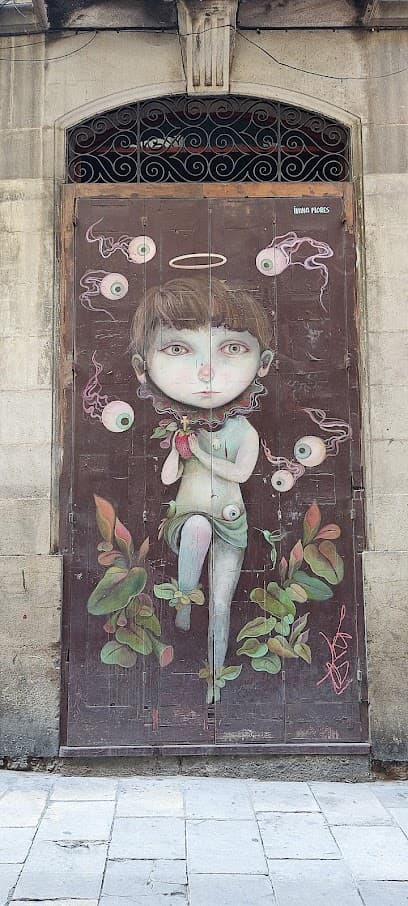
ATTRACTION
Art urbà Ivana Flores
50 m · Ciutat Vella
Surreal, wide-eyed figures stare back from the ancient stones of the Gothic Quarter, a haunting reminder that Barcelona’s soul is still very much alive, weird, and beautifully vulnerable.
5.0(1)
Tourist attraction
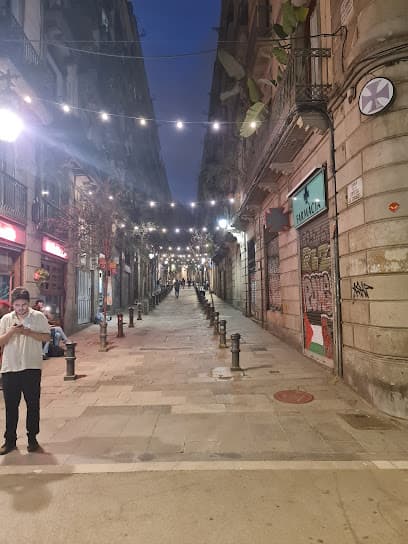
ATTRACTION
Carrer d'Avinyó
50 m · Ciutat Vella
The street that birthed Cubism. A narrow, winding artery of the Gothic Quarter where Picasso found his muses in a brothel and modern art changed forever.
4.0(3)
Tourist attraction
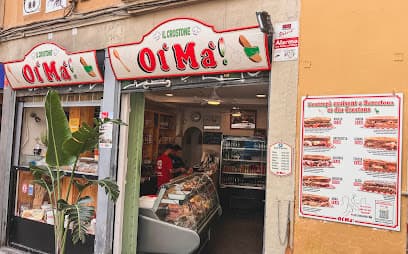
RESTAURANT
OiMà il crostone - Barcelona
€100 m · Ciutat Vella
A Neapolitan middle finger to the soggy tourist sandwich, serving massive, crunch-heavy crostoni loaded with porchetta and pistachio cream in the heart of the gritty Gothic Quarter.
5.0(1K)
Fast food restaurantSandwich shop
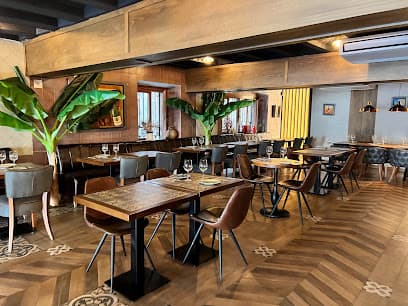
RESTAURANT
Tapas San Miguel
€€150 m · Ciutat Vella
A gin-soaked sanctuary tucked into a Gothic Quarter alleyway where the patatas bravas are a crispy, spicy middle finger to the overpriced tourist traps of nearby La Rambla.
4.7(8K)
Restaurant

HOTEL
Hotel Arai
€€100 m · Ciutat Vella
A 1702 palace turned boutique hotel where 18th-century frescoes meet high-end kitchenettes on the very street that inspired Picasso’s most famous demoiselles.
4.6(281)
Hotel
HOTEL
Wittmore Hotel
€€€150 m · Ciutat Vella
Tucked down a dead-end alley in the Gothic Quarter, this adults-only sanctuary swaps tourist chaos for velvet curtains, stiff cocktails, and a massive vertical garden.
4.6(382)
Hotel
Frequently Asked Questions
Is Efektowne grafiti worth visiting?
Only if you are already wandering the Gothic Quarter. It is a small, unofficial street art spot that is often painted over or underwhelming compared to the city's larger murals.
Where is the best street art in Barcelona?
While the Gothic Quarter has small stencils, the best large-scale murals are found in the Raval neighborhood and the Poblenou district, which serves as an open-air gallery.
What is the best time to see street art in the Gothic Quarter?
Late at night or early in the morning when shop shutters (persianas) are closed, as many artists paint directly onto these metal doors.
Reviews
0 reviews for Efektowne grafiti
No reviews yet. Be the first to share your experience!