4.8
4 verified reviews
About
There is a moment in Barcelona when the claustrophobia of the Gothic Quarter finally breaks. You’ve been wandering through alleys so narrow you can touch both walls, breathing in the scent of damp stone and centuries of secrets, and then—boom. The sky opens up. You hit the Passeig de Colom, and suddenly you’re standing at the edge of the world, or at least the edge of the city. This is the Moll de la Fusta, the 'Wood Wharf,' though you won’t find much timber here these days. What you will find is a hard-scaped, palm-fringed promenade that serves as the city’s front porch.
For centuries, Barcelona turned its back on the sea. The waterfront was a gritty, industrial no-man’s-land of warehouses and railway tracks. Then the 1992 Olympics happened, and the city decided it wanted to go for a swim. They tore down the walls, buried the coastal highway, and created this space. It’s categorized as a 'garden' in the city’s ledgers, but don’t come here looking for manicured rose bushes or quiet reflecting pools. This is an urban garden of concrete, granite, and the kind of light that makes you squint even behind the most expensive sunglasses you bought on the Rambla.
As you walk toward the water, you’re greeted by the 'Barcelona Head' (La Cara de Barcelona). It’s a fifteen-meter-high explosion of pop art by Roy Lichtenstein, covered in red and blue 'trencadís' tiles—a nod to Gaudí that feels like a comic book hero crashed into a Modernist cathedral. It’s weird, it’s loud, and it’s perfectly Barcelona. A few steps away, you’ll find the 'Gambrinus,' a giant, grinning prawn designed by Javier Mariscal. It used to sit atop a restaurant; now it just sits there, a surreal monument to the city’s obsession with seafood and its refusal to take itself too seriously.
The vibe here is a chaotic, beautiful cross-section of humanity. You’ve got the skaters grinding on the granite benches, their wheels clacking a rhythmic soundtrack against the pavement. You’ve got the joggers from the nearby Barceloneta neighborhood, looking far more athletic than anyone has a right to look in this heat. And then there are the tourists, wandering aimlessly toward the Maremagnum shopping center or the Aquarium, looking slightly dazed by the sheer scale of the harbor.
But if you look past the souvenir hawkers and the selfie sticks, there’s a real soul to this place. It’s where the old men sit on the benches, watching the yachts of the ultra-wealthy bob in the Port Vell, probably remembering when this was a place of sweat and sawdust. It’s where the sea breeze finally hits you, carrying the smell of salt and diesel—the honest smell of a port city that hasn’t entirely forgotten its roots.
Does it demand a pilgrimage? Maybe not in the way the Sagrada Família does. But if you want to understand how Barcelona breathes, you need to walk this stretch. You need to feel the transition from the dark, heavy history of the Ciutat Vella to the wide-open, slightly commercialized, but undeniably electric future of the Mediterranean. It’s a place to linger, to watch the light change on the water, and to realize that sometimes the best 'garden' in the city is the one where the only thing growing is the sense of possibility.
Type
Garden
Duration
45-60 minutes
Best Time
Late afternoon for the golden hour light on the harbor and cooler temperatures for walking.
Features
Garden
Categories
ArchitectureArtWaterfrontPublic Space
Ticket Prices
Free Admission
No tickets required
Must-See Highlights
La Cara de Barcelona (The Head) sculpture
Gambrinus (The Giant Prawn) sculpture
The view of the historic schooner Santa Eulàlia docked nearby
Visitor Tips
Avoid the middle of the day in summer as there is very little shade.
Keep an eye on your belongings as the area can be a hotspot for pickpockets due to the crowds.
Walk all the way to the Palau de Mar for some of the city's best seafood terraces.
Good For
Art loversFamiliesJoggersPhotographers
Why Visit
Roy Lichtenstein’s 'Barcelona Head' pop-art monument
Javier Mariscal’s iconic 'Gambrinus' giant prawn sculpture
Unobstructed panoramic views of the Port Vell harbor
Nearby Landmarks
- 5-minute walk from Columbus Monument
- 8-minute walk from Basilica de la Mercè
- 10-minute walk from Maremagnum Shopping Centre
- 12-minute walk from L'Aquàrium de Barcelona
Accessibility
- Fully wheelchair accessible
- Flat paved surfaces
- Elevators available to bridge different levels
Location
Ciutat Vella, Barcelona
Nearby Hotels
Nearby Restaurants
In Ciutat Vella
ATTRACTION
Park
Ciutat Vella
A thousand years of silence tucked behind a Romanesque monastery, where the grit of El Raval dissolves into ancient stone, cool shadows, and the heavy weight of history.
0.0(0)
Park
ATTRACTION
BARSHELONA
Ciutat Vella
Forget the plastic bulls and tacky magnets. This is where Barcelona’s soul is bottled into art, a small sanctuary of local design hidden in the shadows of the Gothic Quarter.
0.0(0)
Tourist attraction
ATTRACTION
Minajoe art
Ciutat Vella
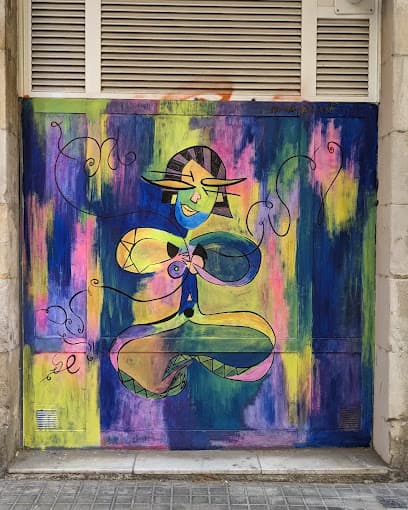
A raw, paint-splattered antidote to the sterile museum circuit. This is where pop-art meets the grit of the street, served straight from the artist’s hands in the heart of old Barcelona.
0.0(0)
Tourist attraction
Frequently Asked Questions
Is Moll de la Fusta worth visiting?
Yes, especially if you enjoy public art and waterfront views. It features iconic sculptures like Lichtenstein's 'Barcelona Head' and offers a great walking path connecting the Gothic Quarter to the sea.
What is the giant sculpture at Moll de la Fusta?
The most famous is 'La Cara de Barcelona' (Barcelona Head) by American pop artist Roy Lichtenstein. Nearby, you'll also see the 'Gambrinus' giant prawn by Javier Mariscal.
How do I get to the Barcelona waterfront promenade?
The easiest way is to take the Metro (L4) to Barceloneta or (L3) to Drassanes. It is also a short 10-minute walk from the bottom of La Rambla.
Is there an entry fee for this area?
No, the Moll de la Fusta is a public promenade and is completely free to visit 24 hours a day.
Reviews
0 reviews for برشلونا
No reviews yet. Be the first to share your experience!