3.3
3 verified reviews
About
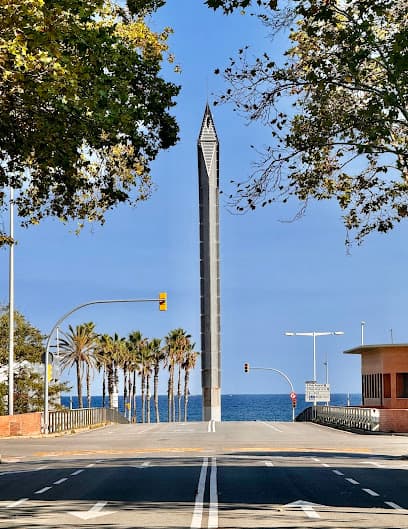
In a city obsessed with Gaudí’s whimsical curves and the polished glass of the 22@ tech district, the Torre de les Aigües del Besòs stands as a gritty, red-brick middle finger to the ephemeral. This isn't a place for the faint of heart or the weak of lung. It’s a 63-meter-high monument to a spectacular corporate faceplant, a 19th-century industrial relic that smells of old soot and forgotten ambitions.\n\nBuilt in 1882 by the modernist architect Pere Falqués, this tower was supposed to be the savior of a thirsty, expanding Barcelona. The plan was simple: pump fresh water from the Besòs River to the masses. But the Mediterranean had other ideas. The water came up salty, the company went belly-up, and legend has it the lead investor was so distraught he took a final, one-way flight off the top of his own creation. It’s the kind of dark, beautiful failure that defines the soul of Sant Martí, a neighborhood that spent a century as the 'Manchester of the South' before the hipsters and the software engineers moved in.\n\nWalking up to the tower, you’re struck by the sheer, muscular arrogance of the brickwork. This is 'volta catalana'—the Catalan vault—at its most utilitarian and expressive. It’s a circular fortress of masonry that survived the wrecking balls of the post-Olympic cleanup. Inside, the air is cool and still, held by walls that have seen the neighborhood transition from a forest of smoking chimneys to a playground of beach clubs and coworking spaces.\n\nThe experience here is defined by the climb. There are 311 steps between you and the view. There is no elevator. There is no air conditioning. There is only the rhythmic thud of your boots on stone and the gradual reveal of the tower’s internal skeleton. It’s a physical penance that makes the reward at the top feel earned. When you finally emerge onto the terrace, the 360-degree view isn't the sanitized, postcard version of Barcelona you see from the bunkers of Carmel. It’s raw. You see the sprawling grid of the Eixample, the shimmering Mediterranean, and the jagged skyline of the modern city, all framed by the industrial scars of the past.\n\nWhy the low ratings from the casual crowd? Because this place doesn't care about your comfort. It’s managed by the Poblenou Historical Archive—volunteers who give a damn about the neighborhood’s soul, not about selling you overpriced magnets. The hours are erratic, the stairs are a workout, and the history is salted with tears and bankruptcy. But if you want to understand the real Barcelona—the one that sweated, failed, and rebuilt itself—you need to stand on top of this brick ghost. It’s a reminder that even the most beautiful structures can be born from a mistake, and that sometimes, the best view of the future is found standing on the ruins of the past.
Type
Tourist attraction
Guided Tours
Available
Features
Tourist attraction
Categories
Industrial HeritageArchitectureViewpointHistory
Opening Hours
- MondayOpen 24 hours
- TuesdayOpen 24 hours
- WednesdayOpen 24 hours
- ThursdayOpen 24 hours
- FridayOpen 24 hours
- SaturdayOpen 24 hours
- SundayOpen 24 hours
Accessibility
- Not accessible for people with reduced mobility
- 311 steps to the top
- Adapted services available only at the entrance (Casa de les Vàlvules)
Location
Sant Martí, Barcelona
Nearby
ATTRACTION
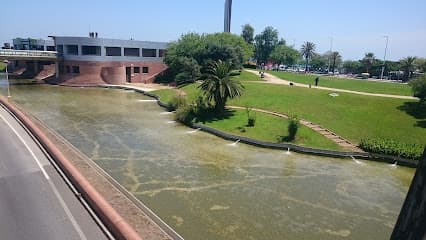
Parc de la Nova Icària
200 m · Sant Martí
A salt-crusted relic of the '92 Olympic dream, where industrial rot became a geometric playground of lakes and lawns just steps from the Mediterranean breeze.
4.2(456)
ParkTourist attraction
ATTRACTION
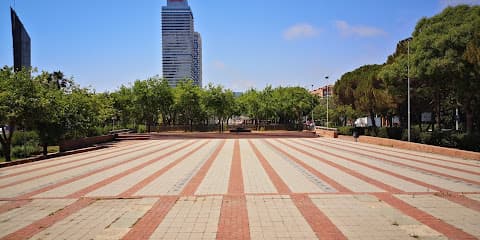
Plaça dels Campions
350 m · Sant Martí
A sun-baked concrete tribute to the 1992 Olympic gods, where the names of legends are etched into the ground of a neighborhood that changed Barcelona forever.
4.2(5)
City park
RESTAURANT
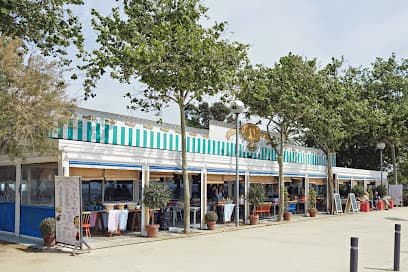
Xiringuito Les Sardinetes
€€200 m · Sant Martí
A salt-crusted sanctuary on Nova Icària beach where the sardines are charred, the sangria flows in liters, and the Mediterranean breeze does the heavy lifting for the decor.
3.7(3K)
Bar & grillEvent planner
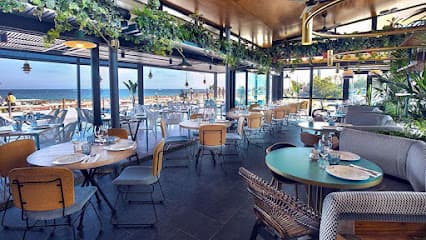
RESTAURANT
Can Fisher Restaurante playa Bogatell
350 m · Sant Martí
A high-end beach shack where the rice has a soul and the Mediterranean breeze isn't just a marketing gimmick but a salt-crusted reality on your skin. Real food, real view, no bullshit.
4.2(4K)
Seafood restaurantCatalonian restaurant
HOTEL
Hotel SB Icària
€400 m · Sant Martí
A sleek, salt-sprayed refuge in the shadow of the '92 Olympics, where the rooms are quiet enough to hide from the world and the beach is just a three-minute stumble away.
4.1(2K)
Hotel
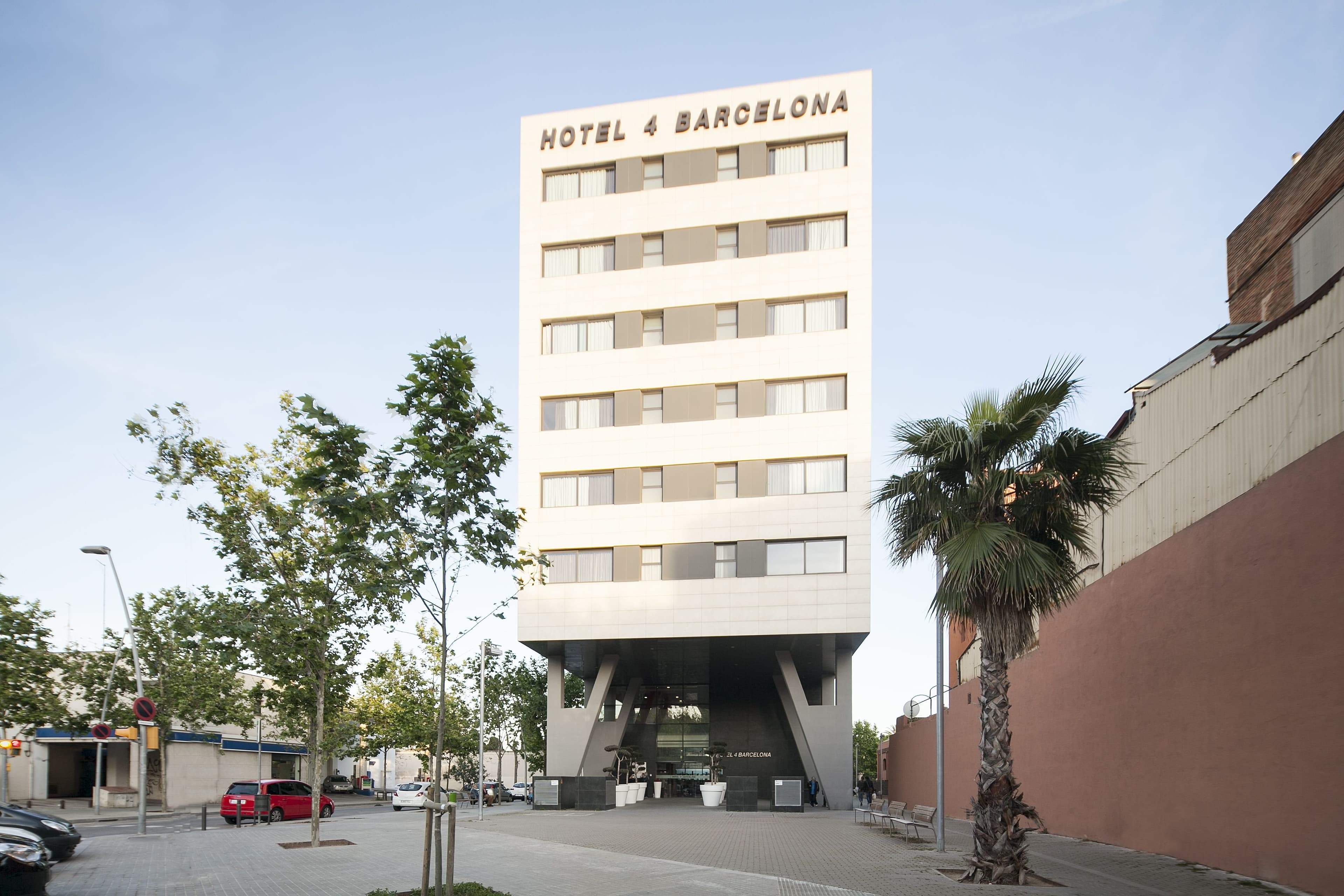
HOTEL
Hotel Best 4 Barcelona
€500 m · Sant Martí
A sleek, functional base in Poblenou where the industrial soul of Barcelona meets the salt air, right across from the city's most beautiful silent neighbors.
3.9(1K)
HotelBar
Frequently Asked Questions
Is the Torre de les Aigües del Besòs worth visiting?
Yes, if you value industrial history and a unique, non-touristy viewpoint. It requires climbing 311 steps, so it's only for those who are physically able and interested in Barcelona's 'Manchester of the South' past.
How many steps are in the Torre de les Aigües?
There are exactly 311 steps to reach the top terrace. There is no elevator, so be prepared for a strenuous climb.
Do I need to book tickets in advance?
Yes, visits are usually guided and limited to small groups. It is highly recommended to book online via the official website (torredelesaigues.cat) to ensure a spot, especially for English tours.
What is the history of the salty water?
The tower was built in 1882 to supply drinking water, but the proximity to the sea caused the groundwater to become salinated. The project failed commercially, leading to the tower being used for industrial purposes for the next century.
Reviews
0 reviews for Torre
No reviews yet. Be the first to share your experience!