4.1
8,529 verified reviews
About
Plaça de Tetuan isn't where you go to find the Barcelona of the glossy brochures. It’s not a sun-drenched terrace where you sip overpriced cava while a guy in a striped shirt plays 'Despacito' on an accordion. No, this is the real machinery of the city. It’s a massive, swirling vortex of internal combustion where the Gran Via de les Corts Catalanes slams into Passeig de Sant Joan. It’s loud, it’s diesel-scented, and it’s absolutely essential if you want to understand how this town actually breathes.
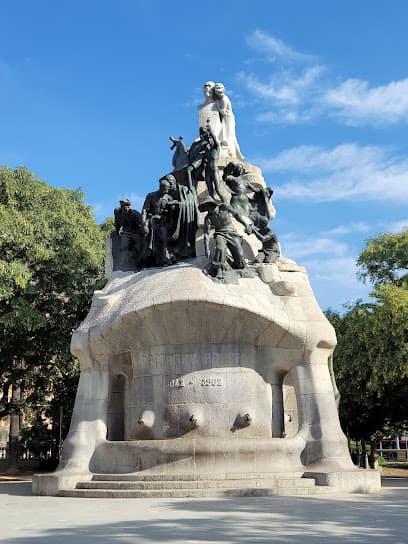
Most tourists blow right past it on their way to the Sagrada Família or the Arc de Triomf, seeing nothing but a glorified traffic circle. But if you’ve got the stomach for the noise, there’s something heavy and meaningful happening in the center of that island. You’re looking at the Monument to Doctor Robert, a massive, brooding pile of stone and bronze that has seen more drama than most of the city’s cathedrals.
Bartomeu Robert was a doctor, a mayor, and a symbol of Catalan identity. The monument, designed by the legendary Josep Llimona, is a masterpiece of Symbolism. It’s not just a statue of a guy in a suit; it’s a chaotic, beautiful heap of figures representing the people—workers, intellectuals, the sick, and the hopeful. It’s visceral. Llimona didn’t just carve stone; he captured the strain and the sweat of a culture trying to define itself.
The history of the monument is as gritty as the plaza itself. In 1940, the Franco regime—never fans of Catalan symbols—had the whole thing dismantled. They wanted it gone. But instead of being destroyed, the pieces were hidden away in a warehouse, gathering dust for decades like a secret waiting to be told. It wasn't until 1977, after the dictator finally kicked the bucket, that the city dragged the pieces back out and reassembled them here. When you look at those bronze figures, you’re looking at survivors.
Don't come here for a picnic. If you try to eat a sandwich in the middle of Plaça de Tetuan, you’ll be seasoning your ham with fine-particulate road dust. This is a place for observation, not relaxation. Sit on one of the stone benches and watch the choreography of the buses. Watch the locals—the real ones, not the ones in rental bikes—marching toward the Tetuan metro station with the grim determination of people who have places to be.
The greenery here is a bit of a lie—a few patches of grass and some hardy trees trying their best to survive the smog—but it provides a necessary frame for the art. It’s one of the few places in the Eixample where the rigid grid of Ildefons Cerdà’s urban plan feels like it’s actually under pressure. The traffic doesn't just pass through; it orbits the history of the city.
Is it one of the best things to do in Eixample? That depends on what you’re after. If you want the 'Disney' version of Barcelona, keep walking. But if you want to stand in the middle of the urban roar and see a monument that was literally buried to keep it from the hands of fascists, then yeah, it’s worth twenty minutes of your life. It’s a reminder that even in the middle of a traffic jam, there is room for something monumental, something stubborn, and something undeniably real. Just don't expect the pigeons to move out of your way; they own the place, and they’ve got the exhaust-blackened feathers to prove it.
Type
City park, Tourist attraction
What People Say
traffic(120)monument(101)roundabout(100)bus(35)sculpture(32)dogs(19)metro(14)emblem(9)
Features
City park
Tourist attraction
Categories
ArchitectureHistorySculptureUrban Park
Opening Hours
- MondayOpen 24 hours
- TuesdayOpen 24 hours
- WednesdayOpen 24 hours
- ThursdayOpen 24 hours
- FridayOpen 24 hours
- SaturdayOpen 24 hours
- SundayOpen 24 hours
Accessibility
- Fully wheelchair accessible via street-level crossings
- Paved walkways throughout the central island
Location
Pça. Tetuan, s/n
Eixample, Barcelona
Nearby
ATTRACTION
Tuk Tuk BCN l Barcelona
150 m · Eixample
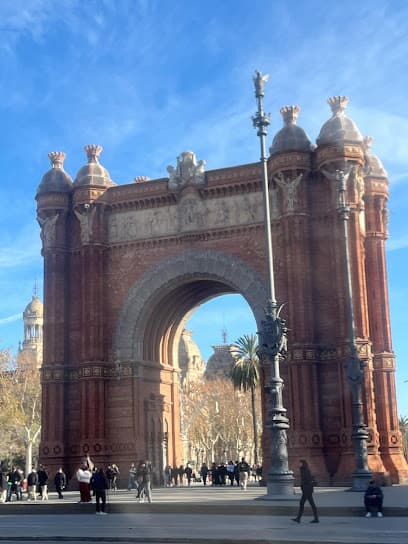
Forget the windowless bus and the sweaty metro. This is Barcelona in high-def, an electric breeze through Eixample that hits the Gaudí highlights without the blisters or the exhaust fumes.
5.0(12)
Tour agency
ATTRACTION
BrightSide Tours Barcelona
250 m · Eixample
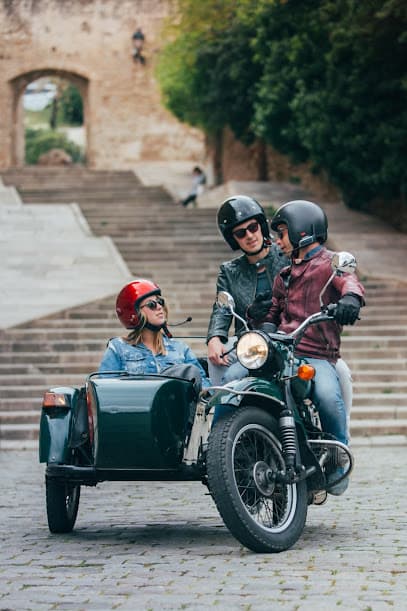
Forget the bus. Strap into a vintage sidecar and tear through Eixample like a local who knows where the bodies are buried and where the best vermouth is poured.
4.9(118)
Sightseeing tour agencyTour operator
RESTAURANT
Bistrot LOCAL
€€150 m · Eixample
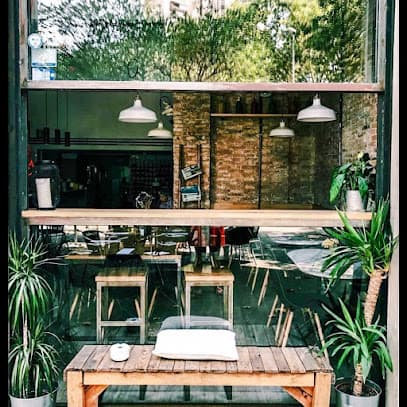
A stripped-back Eixample outpost where the menu del día is sacred, the bravas have a bite, and the industrial-chic vibe actually feels earned rather than curated for an algorithm.
4.1(498)
Mediterranean restaurantBar
RESTAURANT
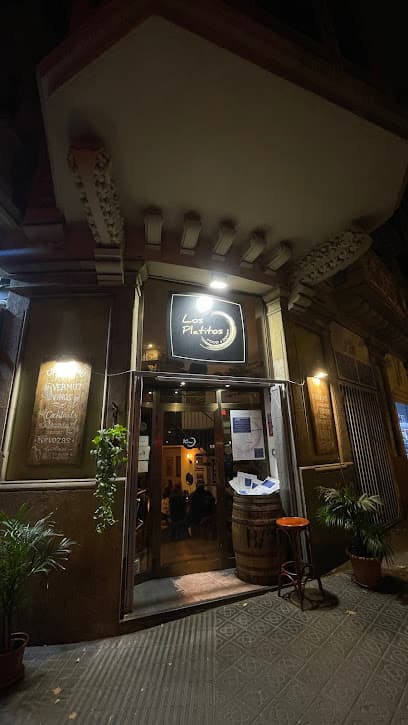
Los Platitos
€€200 m · Eixample
Where Buenos Aires grit meets Eixample cool. Forget the white tablecloths; come for the soul-crushing Milanesa Napolitana and tapas that actually mean something.
4.5(839)
Argentinian restaurantCocktail bar

HOTEL
Casa Bonay
€€€150 m · Eixample
A 19th-century mansion turned into a neighborhood clubhouse where the coffee is strong, the wine is natural, and the Eixample locals actually outnumber the tourists. No pretension, just soul.
4.4(1K)
HotelRestaurant
HOTEL
Hostalin Barcelona Diputación
€150 m · Eixample
A no-frills Eixample pension for the traveler who values a central zip code over high-thread-count sheets. It’s raw, basic, and exactly what you pay for in the heart of the grid.
2.9(121)
Hostel
Frequently Asked Questions
Is Plaça de Tetuan worth visiting?
It is worth a stop for fans of history and sculpture to see the Monument to Doctor Robert, but don't expect a quiet park experience; it is a major traffic hub.
What is the monument in the center of Plaça de Tetuan?
It is the Monument to Doctor Robert, a Symbolist masterpiece by Josep Llimona that was hidden during the Franco era and restored in 1977.
How do I get to Plaça de Tetuan?
The easiest way is via the Barcelona Metro; take Line 2 (Purple) to the Tetuan station, which exits directly onto the plaza.
Is there a fee to enter Plaça de Tetuan?
No, it is a public square and monument accessible to everyone for free at any time of day.
Reviews
0 reviews for Plaça de Tetuan
No reviews yet. Be the first to share your experience!