3.9
1,342 verified reviews
About
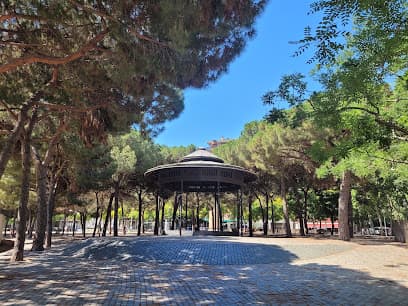
Forget the Sagrada Família for a second. Forget the polished marble, the velvet ropes, and the tour buses idling on the curb. If you want to see where the city actually lives—where the laundry hangs over the balconies like flags of surrender and the air smells of diesel, salt, and fried dough—you head to Sant Martí. Specifically, you head to Plaça de la Palmera. It’s not a place that shows up on many postcards, and that is exactly why it matters.
This is a strange, beautiful, and slightly intimidating space. In the middle of this working-class neighborhood, standing like a pair of prehistoric monoliths, are two massive concrete walls. This isn't some local hobbyist’s weekend project. This is Richard Serra. The Richard Serra. The man who spent a lifetime bending steel and concrete to his will in the world’s greatest museums. And here his work is, sitting in a plaza where old men argue over petanca and kids use the curved concrete as a backstop for their soccer balls. It’s high art meeting the high-velocity impact of a cheap plastic ball, and it’s glorious.
The plaza was born in 1984, a time when Barcelona was frantically trying to scrub away the grey, suffocating grime of the Franco years. Architects Lluís Domènech and Roser Amadó didn't want a dainty garden with manicured roses and wrought-iron benches. They wanted something that reflected the neighborhood’s industrial bones and its resilient spirit. They kept one tall, lonely palm tree—the 'Palmera' that gives the place its name—and let Serra do the rest. The result is a masterclass in urban intervention that refuses to apologize for its weight.
Standing between those walls is a visceral, almost heavy experience. It’s minimalist, sure, but it’s not cold. The sculpture divides the space into two distinct worlds: one side is a theater for the neighborhood’s daily chaos—the dogs, the shouting, the games—and the other feels strangely silent, almost liturgical. The concrete is scarred with graffiti, chipped at the edges, and stained by decades of Mediterranean rain and city soot. To some, it’s an eyesore, a relic of a brutalist fever dream. To others, it’s a masterpiece of public art that actually serves the public. To the people who live in the surrounding blocks, it’s just 'the wall.'
There is no gift shop here. There are no 'I Heart Barcelona' t-shirts or overpriced gelato stands. There is just the sun beating down on the pavement and the sound of a city that doesn't care if you like its art or not. It’s honest. It’s brutal. And in a city that is increasingly being hollowed out and turned into a theme park for foreigners, Plaça de la Palmera feels like one of the last few places where the locals are still winning. It’s a reminder that art doesn't have to be behind glass to be important.
If you’re the kind of traveler who needs a guided tour and a clear itinerary, stay in the Gothic Quarter. But if you want to feel the actual weight of the city, to see how high art can survive and even thrive in the wild, take the L2 metro out here. Buy a cold beer from a corner store, sit on a bench, and watch the shadows of Serra’s walls grow long over the asphalt as the sun dips behind the apartment blocks. It’s not pretty in the traditional sense, but it’s real. And in this town, real is getting harder to find every single day.
Type
Park
Duration
30-45 minutes
Best Time
Late afternoon when the low sun creates dramatic shadows against the Richard Serra walls.
What People Say
kids(82)games(35)dogs(33)space(25)shadow(15)swings(13)bank(10)wall(9)
Features
Park
Categories
ArtArchitectureModernismPublic Space
Ticket Prices
Free Admission
No tickets required
Opening Hours
- MondayOpen 24 hours
- TuesdayOpen 24 hours
- WednesdayOpen 24 hours
- ThursdayOpen 24 hours
- FridayOpen 24 hours
- SaturdayOpen 24 hours
- SundayOpen 24 hours
Must-See Highlights
The two 52-meter long curved concrete walls by Richard Serra
The single tall palm tree that survived the 1984 construction
The contrast between the minimalist art and the surrounding 1960s apartment blocks
Visitor Tips
Don't expect a quiet park; this is a lively neighborhood hub with kids and dogs.
Combine this with a visit to the nearby Parc del Centre del Poblenou designed by Jean Nouvel.
Grab a coffee at a local 'granja' nearby to soak in the authentic Sant Martí atmosphere.
Good For
Art loversArchitecture studentsBudget travelersLocal culture seekers
Why Visit
Home to 'The Wall,' a massive dual-concrete sculpture by world-renowned artist Richard Serra.
A preserved 1980s urban renewal project that perfectly blends high art with working-class neighborhood life.
One of the few places in Barcelona to experience significant modern architecture without the tourist crowds.
Nearby Landmarks
- 5-minute walk from Sant Martí Metro Station
- 12-minute walk from Parc del Centre del Poblenou
- 4-minute walk from Rambla de Guipúscoa
Accessibility
- Fully wheelchair accessible
- Flat paved surfaces
- Open public space
Location
Carrer d'Andrade, 225
Sant Martí, Barcelona
Nearby Restaurants
In Sant Martí
ATTRACTION
LOS CERDINS HOUSE
Sant Martí
A raw, repurposed industrial relic in the heart of Sant Martí, Los Cerdins House is a testament to the neighborhood's manufacturing soul, where red-brick history meets the sharp, creative edge of modern Barcelona.
0.0(0)
Tourist attraction
ATTRACTION
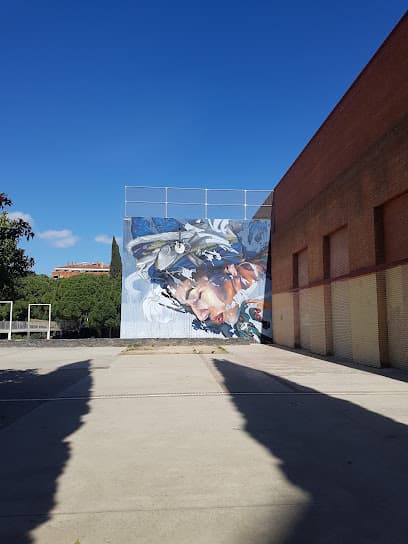
Pista de frontó
Sant Martí
A sun-baked slab of concrete where the rhythmic thwack of a ball against stone serves as the soundtrack to a neighborhood still clinging to its gritty, industrial Poblenou soul.
0.0(0)
Park
ATTRACTION
Saraya Express
Sant Martí
A specialized travel outpost tucked away in Sant Martí. Saraya Express is where the logistics of a trip to Cairo meet the grit of Barcelona’s daily grind, far from the tourist-trap fluff.
0.0(0)
Tourist attraction
Frequently Asked Questions
Is Plaça de la Palmera de Sant Martí worth visiting?
Yes, especially if you are a fan of minimalist art or Richard Serra. It puts world-class sculpture in the middle of a gritty, working-class neighborhood where people actually live.
Who designed the park and the sculpture?
The park was designed by architects Lluís Domènech and Roser Amadó in 1984, featuring a central sculpture titled 'The Wall' by the renowned American artist Richard Serra.
How do I get to Plaça de la Palmera?
The easiest way is to take the Metro Line 2 (Purple) to the Sant Martí station. From there, it is a short 5-minute walk to the plaza located at Carrer d'Andrade, 225.
Is there an entry fee for the park?
No, it is a public municipal park and is free to enter 24 hours a day.
Reviews
0 reviews for Plaça de la Palmera de Sant Martí
No reviews yet. Be the first to share your experience!