4.2
1,028 verified reviews
About
Most people come to Barcelona and spend their entire time elbowing through the Gothic Quarter or standing in line for a glimpse of Gaudí’s fever dreams. They sweat, they get pickpocketed, and they leave thinking the city is one giant, sun-drenched gift shop. But if you head uphill, past the fancy apartments of Sarrià-Sant Gervasi, you find the places where the city actually breathes. Parc de Monterols is one of those places. It’s not a 'must-see' in the traditional sense, and that’s exactly why it matters.
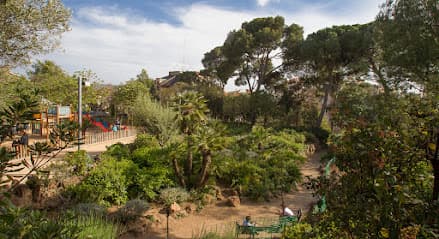
Rising 121 meters above sea level on the Turó de Monterols, this isn’t a park for the lazy. It’s a vertical climb. You enter off Carrer de Muntaner and immediately realize your calves are going to pay for that extra plate of patatas bravas. The paths winding up the hillside are steep, flanked by stone walls that look like they’ve been there since the dawn of time, though the park only opened to the public in 1947. Before that, it was the private playground of the Gil d'Alabau family, and it still retains that sense of quiet, guarded privilege. It feels like you’ve wandered into someone’s backyard, only the backyard is a lush, Mediterranean forest in the middle of a metropolis.
The air changes as you climb. The smell of exhaust and hot asphalt is replaced by the sharp, resinous scent of Aleppo pines and the earthy musk of holm oaks. This is one of the city’s 'lungs,' a dense thicket of green that swallows the noise of the traffic below. You’ll see carob trees—those gnarled, ancient-looking things—and cypress trees standing like sentinels along the dirt paths. It’s not a manicured, floral display; it’s a rugged, honest piece of the Mediterranean landscape that refused to be paved over.
At the top, the reward isn't a gift shop or a cafe. It’s a view. You look out over the rooftops of Eixample toward the Mediterranean Sea, a blue smudge on the horizon. From here, the Sagrada Família looks like a toy, and the chaos of the city feels like someone else’s problem. You’re sharing this space with the locals: old men in flat caps discussing the news on stone benches, joggers pausing at the summit to catch their breath, and dogs—lots of dogs—tearing through the undergrowth. This is where to be in Barcelona if you want to understand the rhythm of residential life.
Is it worth visiting? If you want a postcard, go to Park Güell. If you want to feel the pulse of a neighborhood that doesn't care if you're there or not, come here. It’s a place for a long, slow walk, for thinking, or for simply sitting and watching the light change over the city. There are no tour guides, no entrance fees, and no bullshit. Just the wind, the pines, and the realization that the best parts of Barcelona are often the ones that require a bit of a climb to reach. It’s a reminder that even in a city as colonized by tourism as this one, there are still pockets of silence left if you know where to look.
Type
Park, Tourist attraction
What People Say
strolling(34)basketball(14)games(14)sea(12)lungs(10)vegetation(9)species(7)hills(6)
Features
Park
Tourist attraction
Categories
NatureViewpointDog Friendly
Opening Hours
- Monday10 AM to 11 PM
- Tuesday10 AM to 11 PM
- Wednesday10 AM to 11 PM
- Thursday10 AM to 11 PM
- Friday10 AM to 11 PM
- Saturday10 AM to 11 PM
- Sunday10 AM to 11 PM
Accessibility
- Limited accessibility due to steep terrain and dirt paths
- Main entrance has some stairs
Location
C/ de Muntaner, 450
Sarrià-Sant Gervasi, Barcelona
Nearby
ATTRACTION
Lo que queda Salvaje
350 m · Sarrià-Sant Gervasi
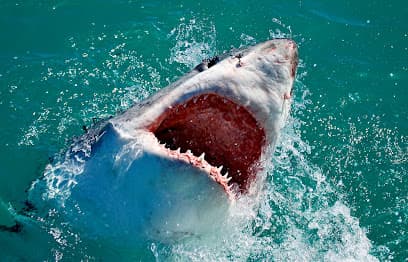
Forget the zoo. This is a gritty, lens-focused sanctuary in Sant Gervasi where the wild isn't caged, but captured in raw, haunting frames by those who actually give a damn.
3.0(1)
Wildlife and safari park
ATTRACTION
Parc de Can Castelló
350 m · Sarrià-Sant Gervasi
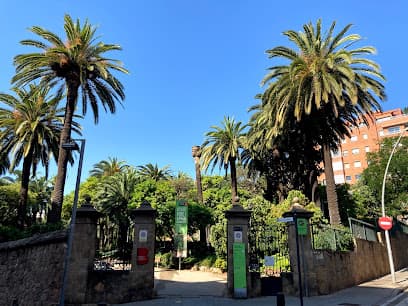
A quiet, leafy sanctuary in Sant Gervasi where the ghost of 19th-century elegance meets the click-clack of petanque balls and the heavy scent of old-growth cedars.
4.4(53)
Park
RESTAURANT
NOW - Not Only Wine
€€€100 m · Sarrià-Sant Gervasi
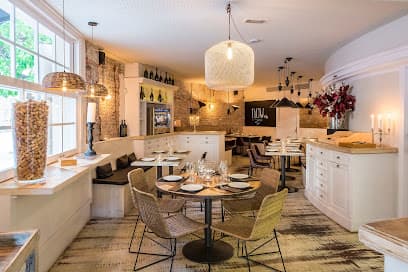
A sharp, unpretentious sanctuary in Sarrià-Sant Gervasi where the wine list is a love letter to the vine and the croquettes are a molten, salty masterclass in Catalan comfort.
4.0(1K)
RestaurantMediterranean restaurant
RESTAURANT
Restaurant Les Délices de France
€€150 m · Sarrià-Sant Gervasi
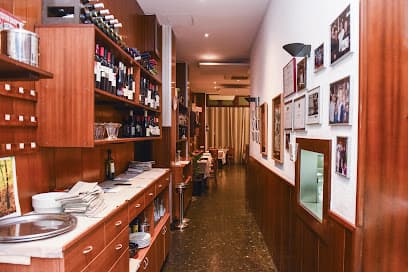
A time capsule of 1970s Paris parked on Muntaner. No foams, no fads—just tableside steak tartare, butter-drenched snails, and the best Grand Marnier soufflé in the city.
4.2(419)
French restaurantFamily restaurant
HOTEL
Exe Mitre Hotel
€300 m · Sarrià-Sant Gervasi
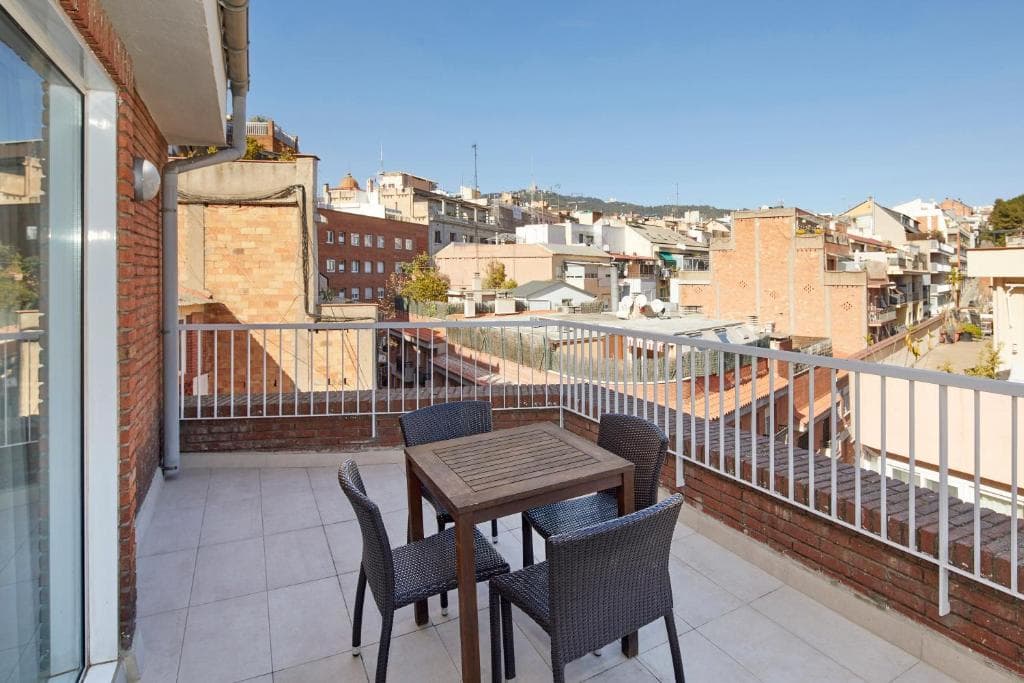
Tucked away in the quiet hills of Sant Gervasi, Exe Mitre is the unpretentious refuge for travelers who’d rather hear the wind in the trees than the roar of a tourist crowd.
4.0(1K)
Hotel
HOTEL
Hotel Catalonia Barcelona 505
€300 m · Sarrià-Sant Gervasi
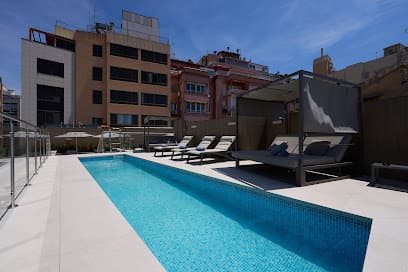
Escape the tourist-choked Rambla for the quiet, affluent streets of Sarrià. A clean, functional refuge with big bathtubs and a rooftop pool for those who value sleep over selfies.
4.1(1K)
HotelParking lot
Frequently Asked Questions
Is Parc de Monterols worth visiting?
Yes, if you want to escape the tourist crowds and enjoy a quiet, local atmosphere with great city views. It’s a steep climb, so it’s best for those who enjoy a bit of a workout with their scenery.
How do I get to Parc de Monterols?
The easiest way is to take the FGC (Ferrocarrils) to the Pàdua or Muntaner stations. From there, it's a short but uphill walk to the entrance at Carrer de Muntaner, 450.
What should I do at Parc de Monterols?
Walk the winding trails to the top for views of the sea, listen to the parrots in the carob trees, or bring a book and find a quiet bench under the pine trees. It’s a great spot for a peaceful morning stroll.
Is Parc de Monterols good for kids?
Yes, there is a dedicated children's play area and plenty of space to run around, though the steep paths require some supervision for very young children.
Reviews
0 reviews for Parc de Monterols
No reviews yet. Be the first to share your experience!