ATTRACTION
Lion's fountain
Barcelona, Barcelona
4.6 · 1,871 reviews
4.6
1,871 verified reviews
About
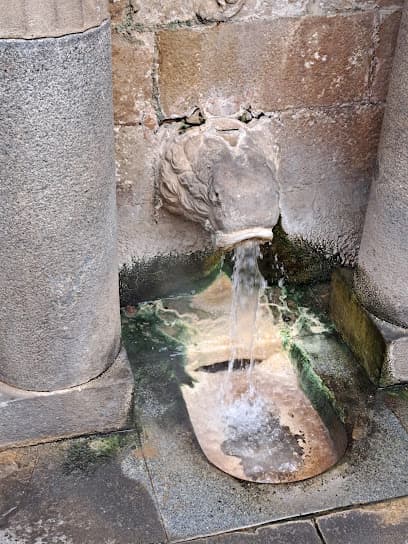
Most people come to Barcelona for the salt air and the architectural fever dreams of Gaudí. They stay in the city, drinking overpriced gin and tonics, oblivious to the fact that just thirty kilometers north, the earth is literally screaming. Caldes de Montbui is a town built on a geological furnace, and the Font del Lleó—the Lion’s Fountain—is its steaming, sulfurous heart.
This isn't some ornamental water feature where you toss pennies and make wishes. This is a stone lion’s head spitting out water at a staggering 74 degrees Celsius (165°F). To put that in perspective, that’s hot enough to poach an egg or give you a very bad day if you’re stupid enough to stick your hand in the stream. It is one of the hottest natural springs in Europe, a relentless flow of mineral-rich liquid that has been surging out of the ground since before the Romans decided this was the perfect place to soak their weary, empire-building bones.
When you arrive at the Plaça de la Font del Lleó, the first thing that hits you isn't the sight, but the smell—that faint, unmistakable scent of minerals and deep-earth chemistry—and the steam. On a cool morning, the square is shrouded in a ghostly mist. It’s visceral. It’s honest. You see the locals, the real people who live here, lining up with plastic jugs to collect the water. They’ve been doing this for centuries, using the thermal heat for everything from cooking to laundry. There is a quiet, unpretentious respect for the resource here that you won’t find at a luxury spa in the Eixample.
Standing in the square, you are surrounded by layers of history that haven't been polished into a theme park. To your left are the Roman Baths, dating back to the 2nd century BC. They aren't just ruins; they are a testament to the fact that humans have always been drawn to the heat. The fountain itself, while rebuilt in the 19th century, sits on a site that has been the town’s focal point since the 1500s. The lion looks weathered, slightly surly, and entirely unimpressed by your presence. It just keeps spitting fire.
If you want to understand the soul of this place, walk a few steps further to the Safareig de la Canaleta, the public laundry porch. It’s one of the few places left where the thermal water is still used for its original purpose. You can see the steam rising from the stone basins where generations of women have scrubbed clothes in the naturally hot water. It’s a living connection to a harder, more communal way of life.
Is it worth the trip? If you’re looking for a manicured tourist experience with gift shops and guided tours every ten minutes, probably not. But if you want to see something raw—a place where the planet’s internal heat breaks through the crust and becomes a part of daily life—then Caldes de Montbui is essential. It’s a reminder that beneath the pavement and the tapas bars, there is a wild, boiling energy that doesn't care about your vacation schedule. Go for the heat, stay for the history, and for the love of God, don't touch the water coming out of the lion's mouth.
Type
Historical landmark, Tourist attraction
Guided Tours
Available
What People Say
hot springs(96)font(46)square(46)temperature(38)town(31)curiosity(24)spas(9)culture(6)
Features
Historical landmark
Tourist attraction
Categories
Hot SpringsRoman HistoryPublic SquareGeological Site
Opening Hours
- MondayOpen 24 hours
- TuesdayOpen 24 hours
- WednesdayOpen 24 hours
- ThursdayOpen 24 hours
- FridayOpen 24 hours
- SaturdayOpen 24 hours
- SundayOpen 24 hours
Accessibility
- Outdoor public square
- Flat paved surfaces
- Wheelchair accessible area
Location
Plaça Font del Lleó, s/n
Barcelona, Barcelona
Nearby
ATTRACTION
El forat de Torre Baró
18.8 km · Nou Barris
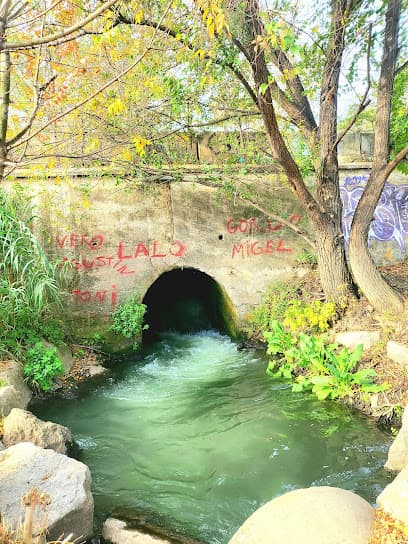
A raw, unvarnished look at the Barcelona the tour buses ignore, where the city’s edge meets the mountains and the history of survival is etched into the concrete.
4.6(5)
Tourist attraction
ATTRACTION
Jardíns Primer de Maig
18.9 km · Nou Barris
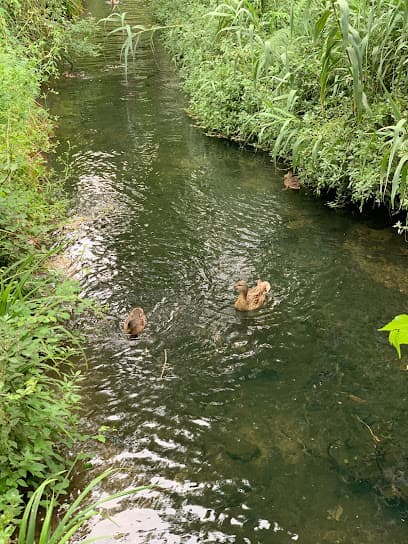
A gritty, honest slice of Nou Barris where the ancient Rec Comtal canal flows past ducks and sun-baked benches. No Gaudí, no gift shops, just the real Barcelona breathing.
4.3(85)
Park
RESTAURANT
Bar El Rincón de la Bruja
€€19.3 km · Nou Barris
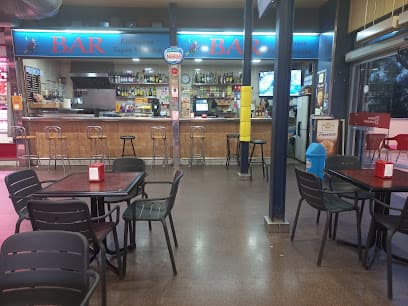
Deep in the working-class heart of Nou Barris, this market stall serves up the kind of unvarnished, soul-restoring Catalan comfort food that tourists usually never find.
4.9(8)
Bar & grill

RESTAURANT
Bar Restaurant Lali
€€19.5 km · Nou Barris
A gritty, unpretentious bastion of the working class in Nou Barris where the menú del día is honest, the beer is cold, and the tourist crowds are a world away.
4.3(60)
BarRestaurant
HOTEL
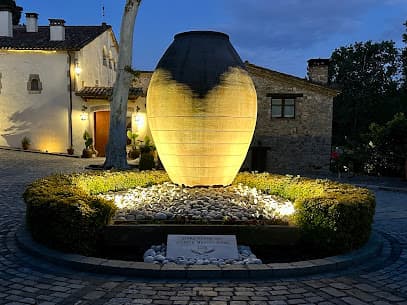
Masia Can Viver
€€€4.5 km · Barcelona
An 850-year-old stone fortress of Catalan heritage where the Viver family turns ancient olives into award-winning oil. It’s raw, rural, and deeply rooted in the land.
4.9(98)
Bed & breakfastFood producer
HOTEL
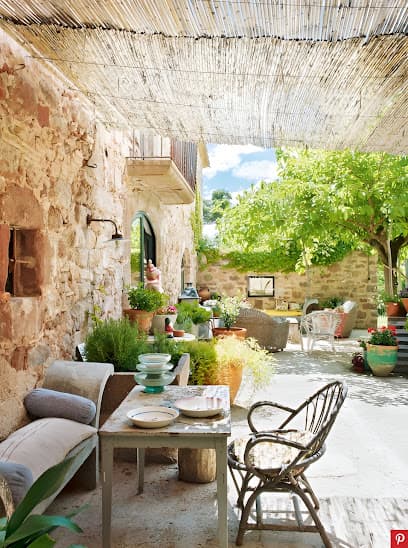
Masia Vilatersana
11.3 km · Barcelona
A 13th-century masia where the stones have seen empires fall and the silence is heavy enough to touch. It’s rural Catalonia at its most raw, honest, and unapologetically quiet.
5.0(5)
Serviced accommodation
Frequently Asked Questions
Is the Font del Lleó worth visiting?
Yes, if you appreciate raw geological phenomena and Roman history. It is one of the hottest natural springs in Europe (74°C) and serves as the authentic, steaming heart of an ancient spa town.
Can you touch the water at the Lion's Fountain?
Absolutely not. The water emerges at 74°C (165°F), which is hot enough to cause severe burns instantly. Observe the steam and the flow, but keep your hands back.
How do I get to Caldes de Montbui from Barcelona?
The easiest way is by the Sagalés bus (e9 line) from Barcelona's Sagrera or Fabra i Puig stations, which takes about 45-60 minutes. By car, it is a straightforward 30-kilometer drive north via the C-33 and C-59.
What else is there to see near the fountain?
The square also houses the exceptionally well-preserved 2nd-century BC Roman Baths and the Thermalia Museum, which explores the town's thermal history and features works by Manolo Hugué and Picasso.
Reviews
0 reviews for Lion's fountain
No reviews yet. Be the first to share your experience!