5.0
3 verified reviews
About
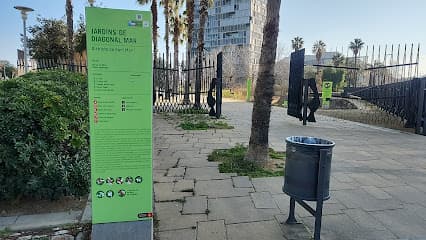
Forget the manicured lawns of the Tuileries or the dusty, pigeon-choked squares of the Gothic Quarter. If you want to see what happens when Barcelona decides to stop playing it safe and lean into its weird, industrial soul, you head to the edge of the map. The Jardins de Diagonal Mar isn’t just a park; it’s a post-modern fever dream built on the bones of a dead foundry. This is where the city meets the sea in a collision of rusted iron, soaring concrete, and water that feels like it was engineered by a benevolent madman.
Designed by the late, legendary Enric Miralles and his partner Benedetta Tagliabue, this place is a masterclass in 'architecture that bites back.' It sits on the site of the old MACOSA smelting plant, and you can still feel that heavy, industrial ghost lingering in the air. Miralles didn’t want to erase the past; he wanted to recycle it. He took the idea of a garden and twisted it into something organic yet mechanical. The first thing you’ll notice are the giant, winding tubular structures—massive steel pipes that snake through the air like the ribcage of a prehistoric beast. They aren’t just for show; they actually carry groundwater to irrigate the park, a bit of sustainable wizardry that keeps this place green even when the Catalan sun is trying its best to bake everything to a crisp.
Walking through here feels like navigating a set from a high-budget sci-fi flick that never got made. There are seven distinct areas, each with its own mood. You’ve got the 'Muntanya Màgica,' a cluster of giant slides that are ostensibly for children but are frequently hijacked by adults who haven’t yet had the joy beaten out of them by a corporate 9-to-5. The slides are fast, the concrete is hard, and the adrenaline is real. It’s one of the best things to do in Sant Martí if you’re traveling with kids—or if you just need to feel the wind in your hair after being trapped in a museum all morning.
Then there’s the water. The park is built around a series of ponds and wetlands that act as a lung for the neighborhood. It’s not the crystal-clear, chlorinated blue of a hotel pool; it’s living water, murky and full of life, reflecting the jagged skyline of the surrounding Poblenou district. It’s the perfect antidote to the sterile, consumerist hellscape of the Diagonal Mar shopping mall right next door. You can spend an hour wandering the mall, losing your soul to fast fashion, and then step out into these gardens to find it again among the reeds and the rusted steel.
Is it perfect? Hell no. The concrete can be unforgiving in the August heat, radiating warmth like a pizza oven. Some of the structures look a bit weathered, and the vibe can get a little lonely if you catch it on a Tuesday afternoon when the wind is whipping off the Mediterranean. But that’s the point. It’s honest. It’s a park for the people who actually live here—the families from the high-rises, the skaters, the architects who come to worship at the altar of Miralles. It’s one of the best parks in Barcelona precisely because it doesn’t try to be pretty. It tries to be interesting. If you’re looking for a place to sit on a bench and contemplate the beautiful, messy intersection of industry and nature, this is your spot. Just watch your shins on the slides.
Type
Park
Duration
1-2 hours
Best Time
Late afternoon when the sun is lower and the metal structures aren't as hot, allowing for better photos and more comfortable sliding.
Features
Park
Categories
ArchitectureFamily FriendlyContemporaryOutdoor
Ticket Prices
Free Admission
No tickets required
Opening Hours
- Monday10 AM to 8 PM
- Tuesday10 AM to 8 PM
- Wednesday10 AM to 8 PM
- Thursday10 AM to 8 PM
- Friday10 AM to 8 PM
- Saturday10 AM to 8 PM
- Sunday10 AM to 8 PM
Must-See Highlights
The 'Muntanya Màgica' giant slides
The tubular steel irrigation sculptures
The central lake and wetlands area
The 'Vases' sculptures near the entrance
Visitor Tips
Bring a piece of cardboard or wear thick trousers if you plan on using the giant slides; the metal can get hot and the friction is real.
Combine a visit here with the nearby Museu de Ciències Naturals for a full afternoon in the Sant Martí district.
Avoid the midday heat in summer as there is limited shade over the concrete and metal areas.
Good For
Families with childrenArchitecture enthusiastsSkatersLocal neighborhood vibes
Why Visit
Designed by world-renowned architect Enric Miralles
Giant industrial-style slides for all ages
Sustainable water system using recycled groundwater
Nearby Landmarks
- Diagonal Mar Shopping Centre (2-minute walk)
- Museu de Ciències Naturals de Barcelona - Blue Museum (8-minute walk)
- Platja de Llevant (10-minute walk)
- Parc del Fòrum (12-minute walk)
Accessibility
- Wheelchair accessible paths
- Flat terrain in most areas
- Accessible by public transport
Location
Pg. del Taulat, 283-284, Pta 18-19
Sant Martí, Barcelona
Nearby Hotels
Nearby Restaurants
In Sant Martí
ATTRACTION
LOS CERDINS HOUSE
Sant Martí
A raw, repurposed industrial relic in the heart of Sant Martí, Los Cerdins House is a testament to the neighborhood's manufacturing soul, where red-brick history meets the sharp, creative edge of modern Barcelona.
0.0(0)
Tourist attraction
ATTRACTION
Pista de frontó
Sant Martí
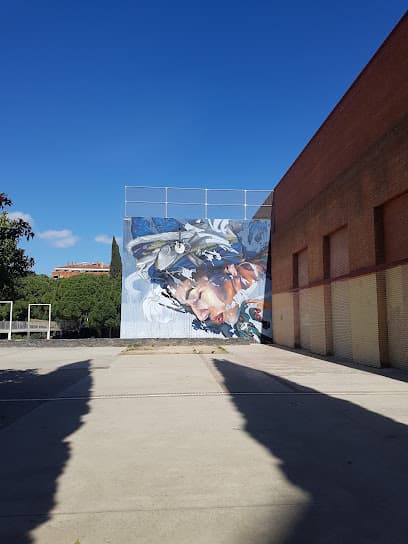
A sun-baked slab of concrete where the rhythmic thwack of a ball against stone serves as the soundtrack to a neighborhood still clinging to its gritty, industrial Poblenou soul.
0.0(0)
Park
ATTRACTION
Saraya Express
Sant Martí
A specialized travel outpost tucked away in Sant Martí. Saraya Express is where the logistics of a trip to Cairo meet the grit of Barcelona’s daily grind, far from the tourist-trap fluff.
0.0(0)
Tourist attraction
Frequently Asked Questions
Is Jardins de Diagonal Mar worth visiting?
Absolutely, especially if you appreciate avant-garde architecture or are traveling with children. It offers a unique, industrial-organic aesthetic that you won't find in the more traditional parks of central Barcelona.
What are the best things to do at the park?
The highlight for most visitors is the 'Muntanya Màgica' area featuring giant slides. It's also a great spot for a walk near the sea, birdwatching by the ponds, or admiring the singular tubular sculptures designed by Enric Miralles.
How do I get to Jardins de Diagonal Mar?
Take the L4 Metro (Yellow Line) to either the Selva de Mar or El Maresme | Fòrum stations. The park is a short 5-minute walk from either stop, located right next to the Diagonal Mar shopping center.
Reviews
0 reviews for Jardins de Diagonal Mar
No reviews yet. Be the first to share your experience!