3.8
10 verified reviews
About
Let’s be clear: you aren’t coming to the Jardí de Maria Teresa Vernet i Real to see manicured topiaries or marble fountains. This isn’t Versailles, and it isn’t even Park Güell. It’s an 'interior d’illa'—one of those urban acupuncture projects where Barcelona’s planners realized that packing people into dense blocks without a place to breathe was a recipe for madness. They punched a hole in the concrete, planted some trees, and gave the neighborhood a place to sit down and forget about the traffic on Carrer de Numància.
Located in the heart of Les Corts, this park is a sanctuary for the locals and a complete mystery to the tourists trudging toward the Camp Nou nearby. You enter through a relatively unassuming passage on Carrer del Pintor Tapiró, and suddenly the roar of the city drops by twenty decibels. It’s a rectangular pocket of sanity, framed by the backs of apartment buildings where laundry hangs from balconies and the occasional clatter of a kitchen shutter provides the soundtrack.
The garden is named after Maria Teresa Vernet i Real, a woman who, frankly, deserves more than just a quiet courtyard. She was a literary powerhouse in the 1920s and 30s, the first woman to win the Joanot Martorell prize, and the person who brought the likes of Aldous Huxley and James Joyce into the Catalan language. There’s a certain poetic justice in naming a quiet, contemplative space after a woman who spent her life translating complex interior worlds. If you’re looking for a place to actually read a book in this city without a busload of sightseers tripping over your feet, this is it.
Architecturally, it’s functional. You’ve got the standard-issue Barcelona park benches—the ones designed for durability rather than lounging—and a playground area that usually hums with the energy of local kids after school let-out. The greenery is hardy, designed to survive the Mediterranean heat and the shade of the surrounding buildings. It’s not 'lush' in the tropical sense, but when the afternoon sun hits the upper floors of the surrounding flats and filters down into the courtyard, it has a gritty, honest beauty that you won't find in the glossy travel brochures.
Is it worth visiting? If you are a stadium-goer looking to escape the pre-match madness of a Barça game, absolutely. If you are a fan of Catalan literature and want to pay a silent tribute to a pioneer, yes. But if you’re looking for 'breathtaking vistas,' keep walking. This is a place for the mundane, beautiful reality of Barcelona life. It’s where grandfathers discuss the price of fish and toddlers learn to scrape their knees on Spanish gravel. It’s raw, it’s local, and it’s entirely unpretentious.
In a city that often feels like it’s being sold off piece by piece to the highest bidder, these interior gardens are the last line of defense. They are the lungs of the barrio. Come here, sit on a bench, stay off your phone, and just watch the neighborhood exist. That, more than any museum tour, is the real Barcelona experience. It’s the quiet between the notes, the space between the buildings, and a rare moment of peace in a city that rarely sleeps.
Type
Park
Features
Park
Categories
Urban GardenLiteratureLocal Life
Opening Hours
- MondayOpen 24 hours
- TuesdayOpen 24 hours
- WednesdayOpen 24 hours
- ThursdayOpen 24 hours
- FridayOpen 24 hours
- SaturdayOpen 24 hours
- SundayOpen 24 hours
Accessibility
- Flat terrain
- Wheelchair accessible entrance
- Accessible benches
Location
C.del Pintor Tapiró, 14
Les Corts, Barcelona
Nearby
ATTRACTION
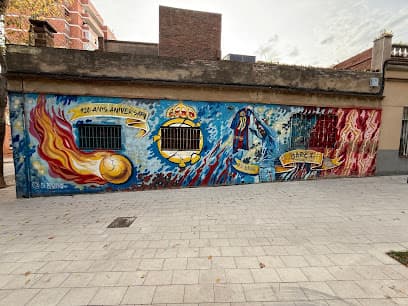
‘Graffiti’ d’homenatge a en Leo Messi
100 m · Les Corts
A neon-soaked, spray-painted shrine to the god of football, tucked away in the shadow of Camp Nou where the ghost of greatness still lingers on the concrete.
4.8(16)
Tourist attraction

ATTRACTION
Water
100 m · Les Corts
A cold, metallic relief in the shadow of the Camp Nou concrete. It’s the literal watering hole where the Blaugrana faithful wash away the heat before the roar begins.
0.0(0)
Park
RESTAURANT
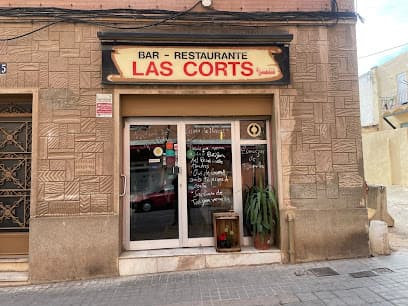
Las Corts
50 m · Les Corts
A no-nonsense temple of market cuisine in Les Corts where the menú del día is a sacred rite and the white tablecloths serve as a backdrop for honest, unvarnished Catalan cooking.
4.5(414)
RestaurantMediterranean restaurant
RESTAURANT
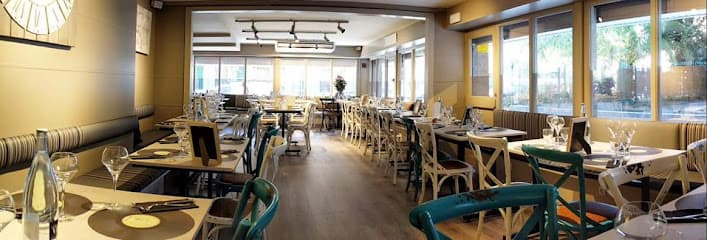
La nueva Marquesa
€€100 m · Les Corts
A loud, unapologetic temple of the Catalan menú del día near Camp Nou. Expect charred meats, heaps of snails, and the glorious chaos of a dining room that actually lives.
4.6(2K)
Catalonian restaurantMediterranean restaurant
HOTEL
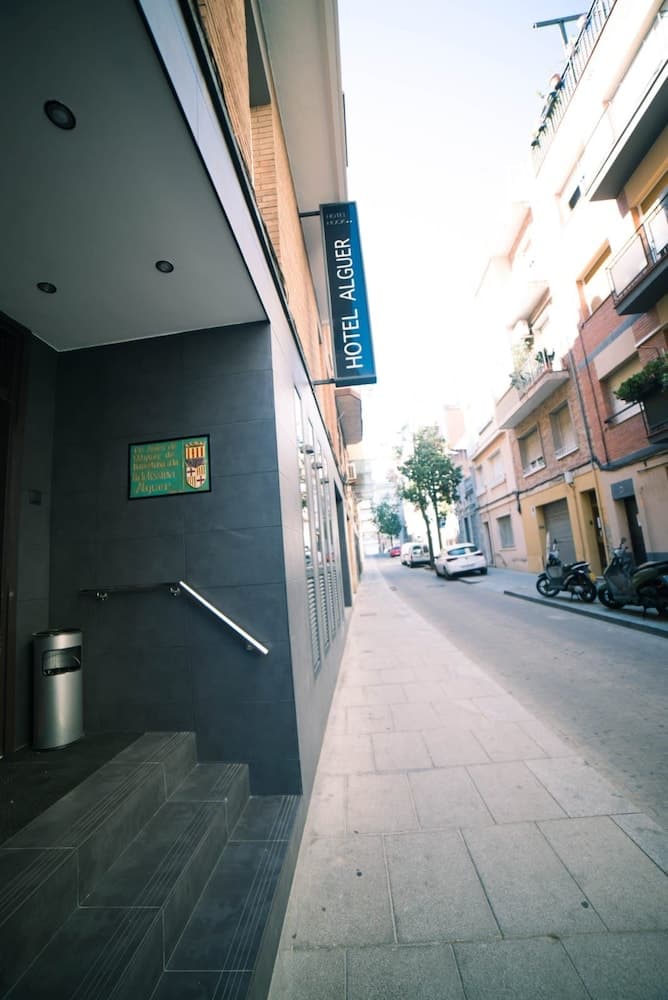
Hotel Alguer Camp Nou
€150 m · Les Corts
A no-nonsense, family-run refuge in Les Corts for the football-obsessed and the budget-conscious who prefer clean sheets and cold beer over gold-plated faucets.
4.1(621)
Hotel
HOTEL
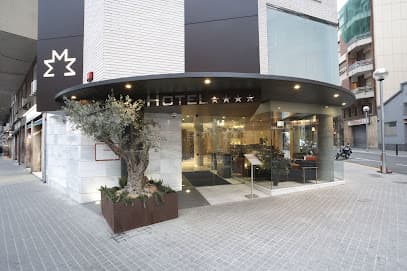
Hotel Madanis
€250 m · Barcelona
A sleek, tactical base camp for Barça pilgrims and airport-bound travelers, sitting in the shadow of Camp Nou where the real city begins to breathe and the tourists start to thin out.
4.2(670)
Hotel
Frequently Asked Questions
Is Jardí de Maria Teresa Vernet i Real worth visiting?
It is worth it if you are looking for a quiet, tourist-free spot to rest near Camp Nou. It is a functional neighborhood park, not a major botanical attraction.
How do I get to Jardí de Maria Teresa Vernet i Real?
The garden is a 5-minute walk from the Collblanc Metro station (L5, L9S, L10S) or a 10-minute walk from the Badal station (L5).
Who was Maria Teresa Vernet i Real?
She was a prominent Catalan novelist, poet, and translator who was the first woman to win the Joanot Martorell literary prize in 1928.
Reviews
0 reviews for Jardí de Maria Teresa Vernet i Real
No reviews yet. Be the first to share your experience!