2.0
1 verified reviews
About
We live in an era where the map is increasingly divorced from the territory. You open an app, you see a pin labeled 'ikun' in the middle of Sant Andreu, and you expect... what? A monument? A sprawling green space? A gift shop selling overpriced magnets? What you actually find at the intersection of Carrer de Pare Manyanet and Carrer de Sant Sebastià is something far more interesting because it is so aggressively ordinary. It is a reminder that Barcelona is a city where people actually live, work, and ignore their phones, despite the digital graffiti that bored teenagers or internet trolls might spray across the Google Maps interface.
Sant Andreu is not the Barcelona of the postcards. It doesn’t have the Gothic Quarter’s claustrophobic charm or the Eixample’s grid-patterned ego. It was a village once, and it still feels like one. To get here, you leave the center behind, heading north until the accents get thicker and the prices for a cortado actually make sense. You walk past low-slung buildings and local shops that have been selling the same hardware or housecoats since the seventies. This is the 'real' Barcelona, a place that doesn't give a damn about your Instagram feed.
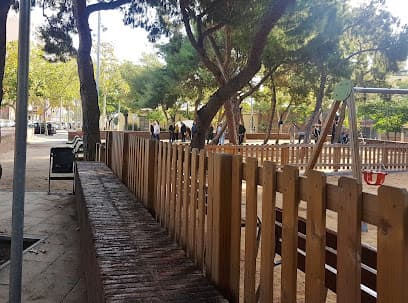
The 'ikun' attraction, as it’s labeled, is a bit of a digital prank. For the uninitiated, 'ikun' is the name for the hardcore fanbase of a Chinese pop star, and these fans have a habit of pinning 'ikun' locations all over the globe like digital flags. At this specific coordinate, the physical reality is a modest urban space near a school. There are some trees, some benches, and the kind of grey pavement that has seen a thousand scuffed knees and spilled ice creams. It’s a 'park' in the sense that it’s a place where you can sit down without being asked to buy a mojito.
If you come here looking for a 'best park in Barcelona' experience, you will be profoundly disappointed. That’s likely where that lonely 2-star review comes from—someone who followed a blue dot on a screen and found themselves standing in front of a school fence instead of a fountain. But if you’re the kind of traveler who finds beauty in the unvarnished, there’s a certain melancholy magic here. It’s the sound of children shouting in the playground nearby, the sight of an old man reading a folded newspaper, and the smell of roasting coffee from a nearby bar that hasn't changed its decor since 1984.
Is it worth visiting? If you have three days in the city, absolutely not. Go see the Sagrada Família. Go get lost in the Born. But if you’ve been here a dozen times, if you’re sick of the human traffic jams on La Rambla, and if you want to see a corner of the city that belongs entirely to itself, then take the L1 metro to Sant Andreu. Walk the streets. Find this non-existent attraction. Stand on the corner and realize that the best parts of travel aren't the things you're told to see, but the quiet, boring spaces in between. It’s a palate cleanser for the soul. It’s a place where the only thing 'curated' is the gravel under a toddler’s shoe. In a world of over-hyped 'must-see' landmarks, there is something deeply honest about a place that offers you absolutely nothing but a place to sit and think about how much you hate the word 'content.'
Type
Park
Features
Park
Categories
Urban SpaceNeighborhood SpotLocal Life
Accessibility
- Flat paved surfaces
- Street-level access
Location
Pare Manyanet - Sant Sebastià, 08027
Sant Andreu, Barcelona
Nearby
ATTRACTION
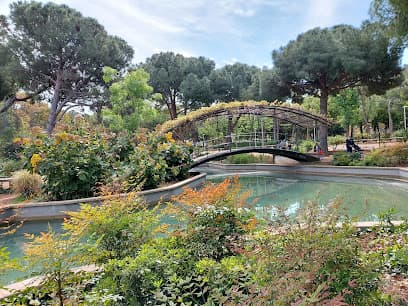
Parc de la Pegaso
200 m · Sant Andreu
Built on the bones of a legendary truck factory, this Sant Andreu park swaps diesel for a giant metal octopus slide and winding canals where real Barcelona families actually hang out.
4.3(7K)
ParkTourist attraction
ATTRACTION
Plaça d'Albert Badia i Mur
200 m · Sant Andreu
A gritty, honest slice of Sant Andreu where the 'Cases Barates' history meets modern life. No Gaudí here—just real people, a playground, and the unvarnished soul of Bon Pastor.
0.0(0)
Park
RESTAURANT
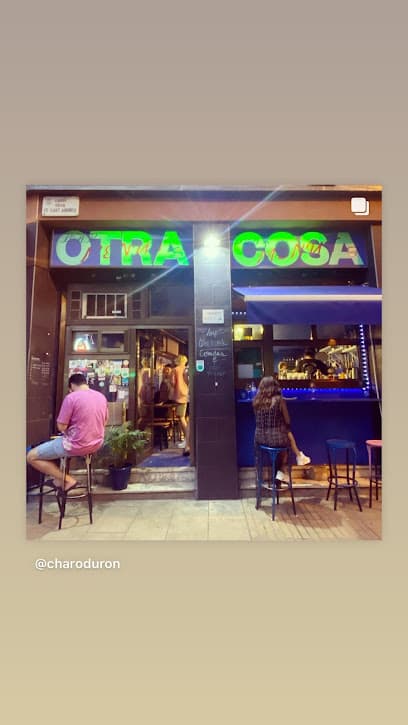
Otra cosa taberna
€€€200 m · Sant Andreu
A middle finger to the tourist traps of the center, this Sant Andreu bistro serves killer ceviche and funky natural wines to a crowd that actually lives here. No fluff, just soul.
4.7(393)
Bistro
RESTAURANT
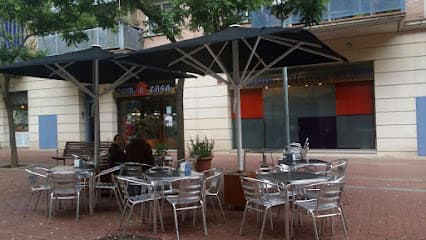
Com a Casa
€€200 m · Sant Andreu
A no-nonsense Sant Andreu local where the bravas are hot, the beer is cold, and the 'Like at Home' name isn't a marketing gimmick—it’s a promise kept daily for the neighborhood.
4.0(450)
Mediterranean restaurantBreakfast restaurant
HOTEL
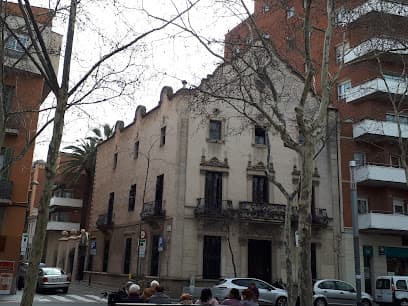
Hotel d'Entitats Can Guardiola
350 m · Sant Andreu
Don't come here looking for a mint on your pillow. This 1920s modernist gem is a 'hotel' for the soul of Sant Andreu, housing the activists and dreamers of the barrio.
4.4(7)
Civic centerEcologists association
HOTEL
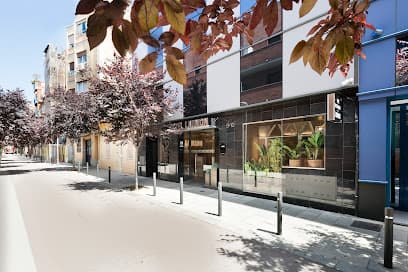
Acta Laumon
€500 m · Sant Andreu
A sharp, functional refuge in Sant Andreu for travelers smart enough to trade the chaos of the center for a real neighborhood and a direct metro line to the heart of the city.
4.0(658)
Hotel
Frequently Asked Questions
Is ikun in Sant Andreu a real park?
Physically, it is a small urban space and playground area near a school; the name 'ikun' is a digital label likely added by internet users rather than an official municipal name.
Is ikun worth visiting for tourists?
Only if you are interested in exploring the authentic, non-touristy neighborhood of Sant Andreu; there are no traditional monuments or major attractions at this specific spot.
How do I get to this part of Sant Andreu?
Take the L1 (Red Line) Metro to the Sant Andreu or Fabra i Puig stations and walk about 10 minutes toward the intersection of Pare Manyanet and Sant Sebastià.
Reviews
0 reviews for ikun
No reviews yet. Be the first to share your experience!