5.0
5 verified reviews
About
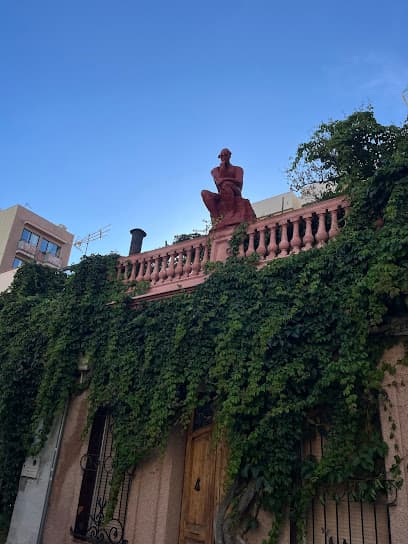
Barcelona is a city that screams. It screams with the neon of the Raval, the clatter of plates in Barceloneta, and the relentless, soul-crushing tide of tourists washing up against the Sagrada Familia. But if you head out to Sant Martí, specifically the old industrial heart of Poblenou, the volume starts to drop. You find yourself in places like Passatge d'Olivé, a narrow vein of a street that feels like it’s holding its breath. And there, tucked away from the digital nomads and the glass-fronted tech offices, is the figure locals call El Pensador.
This isn't a grand monument in a sweeping plaza, and despite what some guidebooks might tell you, it isn't a signed masterpiece by the Modernist greats. It’s a quiet, anonymous encounter in a passage that looks like it hasn't changed since the looms stopped humming. The sculpture is a small, weathered figure perched in a wall niche, hunched over and burdened by a kind of quiet, existential weight. He’s more human than the museum pieces—a nameless observer of a neighborhood that has seen everything from the industrial revolution to the tech boom.
Finding it is half the point. You wander off the main drags of Carrer de Llull or Pujades and slip into the passage. The air changes. The light hits the red brick of the old factories differently here. It’s one of those rare, unadvertised corners of the city that hasn't been ruined by a gift shop or a ticket booth. You’re standing in what was once the 'Manchester of Catalonia,' a place of grit and sweat that’s slowly being polished into a tech hub. But in this specific corner, the grit remains. The sculpture sits there, ignored by the locals and undiscovered by the masses, which is exactly how it should be.
Is it worth the trek? If you’re the kind of person who needs a 'Top 10' list and a guided tour, probably not. There are no churros here. No one is going to sell you a plastic bull. But if you want to see what’s left of the city’s soul—the quiet, contemplative, slightly melancholic side of Barcelona—then yes, it’s essential. It’s a reminder that art doesn't always need a pedestal or a famous signature; sometimes it just needs a quiet corner and someone to notice it.
When you're wandering through Sant Martí, you'll find plenty of shiny new parks and shopping malls, but El Pensador offers something else: a moment of genuine, unmanufactured stillness. You can see the Glòries tower shimmering in the distance, a giant glass thumb sticking up into the sky, but here in the passage, the scale is human. The bricks are stained with a century of soot and salt air, a texture you can’t replicate with a modern CAD program. It’s a place to sit for five minutes, look at the bronze man, and realize that we’re all just trying to figure it out. The neighborhood is changing fast—lofts are replacing workshops, and the smell of roasting coffee is replacing the smell of machine oil—but the Thinker stays put, hunched over his own private mysteries while the 21st century rushes past him. It’s the kind of place where you expect to see the ghost of a textile worker, but instead, you just get the silence and the bronze man, enduring.
Type
Tourist attraction
Duration
15-30 minutes
Best Time
Late afternoon for the best light in the passage
What People Say
sculptures(2)
Features
Tourist attraction
Categories
SculptureArtIndustrial Heritage
Ticket Prices
Free Admission
No tickets required
Opening Hours
- MondayOpen 24 hours
- TuesdayOpen 24 hours
- WednesdayOpen 24 hours
- ThursdayOpen 24 hours
- FridayOpen 24 hours
- SaturdayOpen 24 hours
- SundayOpen 24 hours
Must-See Highlights
The weathered details of the anonymous local sculpture
The preserved 19th-century industrial brickwork of Passatge d'Olivé
The contrast between the old passage and the nearby modern 22@ district
Visitor Tips
Combine this with a walk down Rambla del Poblenou for local tapas
Look for the small artist workshops that still dot the surrounding streets
It's a great spot for photography due to the unique shadows in the narrow passage
Good For
Art loversSolo travelersPhotographersBudget travelers
Why Visit
Authentic industrial atmosphere away from the tourist center
A humble, anonymous local curiosity with a mysterious history
Zero crowds and no entry fee, rewarding those who prefer to wander off the map
Nearby Landmarks
- 10-minute walk from Bogatell Beach
- 8-minute walk from Poblenou Cemetery
- 12-minute walk from Razzmatazz
- 5-minute walk from Rambla del Poblenou
Accessibility
- Street level access
- Flat terrain in the passage
Location
Passatge d'Olivé, 17
Sant Martí, Barcelona
Nearby Hotels
Nearby Restaurants
In Sant Martí
ATTRACTION
LOS CERDINS HOUSE
Sant Martí
A raw, repurposed industrial relic in the heart of Sant Martí, Los Cerdins House is a testament to the neighborhood's manufacturing soul, where red-brick history meets the sharp, creative edge of modern Barcelona.
0.0(0)
Tourist attraction
ATTRACTION
Pista de frontó
Sant Martí
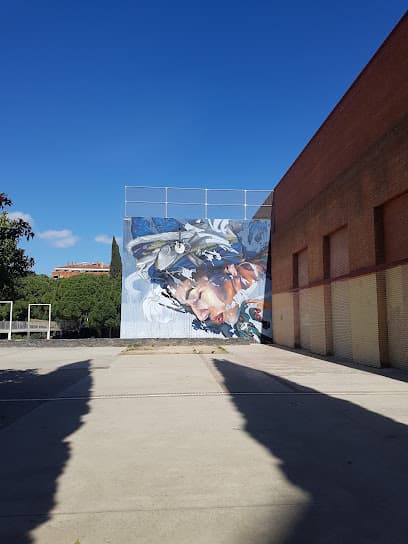
A sun-baked slab of concrete where the rhythmic thwack of a ball against stone serves as the soundtrack to a neighborhood still clinging to its gritty, industrial Poblenou soul.
0.0(0)
Park
ATTRACTION
Saraya Express
Sant Martí
A specialized travel outpost tucked away in Sant Martí. Saraya Express is where the logistics of a trip to Cairo meet the grit of Barcelona’s daily grind, far from the tourist-trap fluff.
0.0(0)
Tourist attraction
Frequently Asked Questions
Is El Pensador worth visiting?
Yes, if you appreciate quiet, atmospheric street art. It’s not a major landmark, but it offers a peaceful glimpse into Poblenou's industrial soul without the crowds.
How do I get to El Pensador in Sant Martí?
Take the L4 Metro (Yellow Line) to either Bogatell or Llacuna stations. From there, it’s a 5-10 minute walk to Passatge d'Olivé, a small passage between Carrer de Llull and Carrer de Pujades.
Do I need tickets for El Pensador?
No, it is a public sculpture located in a wall niche in a public passage. It is free to view at any time.
What is the best time to visit?
Late afternoon is ideal. The way the sun hits the brickwork in the passage creates a beautiful, nostalgic light that complements the contemplative mood of the sculpture.
Reviews
0 reviews for El Pensador
No reviews yet. Be the first to share your experience!